Who do you write for?

Whether you're developing an idea, trying to stay motivated through the writing process, or figuring out marketing strategies for your finished project, it can be important to consider your audience.
Your target audience can guide choices as you select a genre, brainstorm ideas, develop characters, make stylistic decisions, choose a title, and more.
Know your audience
I often hear that knowing your audience is the key to finding and retaining readers. Helpful articles and classes point out the benefits of knowing your target reader's demographics to help with clarity and connection. This information might include:
- age
- gender
- cultural identity
- educational level
- location
- income level
And other particulars that might help define a reader's areas of interest.
It's true that if you want to reach children, you might choose different vocabulary than if you're writing a how-to for retirement planning. A romance novel will likely have a different tone than a whodunnit murder mystery. But there are exceptions. I'm sure you can think of many.
When I was a preteen, I read Phyllis A. Whitney books that combined romance, history, and suspenseful mysteries. The books were written for adults but I found them to be stimulating stories that kept me guessing while taking me inside an unfamiliar world. Did Ms. Whitney write her adult fiction for curious preteens? No. In fact, she wrote a number of YA books geared directly to my demographic and I ignored them. I've never read any other romance author in my life, but I read many of her books back then.
And still, we are told to write for our target readers.
The problems with that:
No one's read it yet
Whether you have friends reading as you write, you're waiting until you complete your first draft, or your first readers have to wait for a printed copy of the book – you might not be able to predict who's going to read your finished work once it actually hits the market.
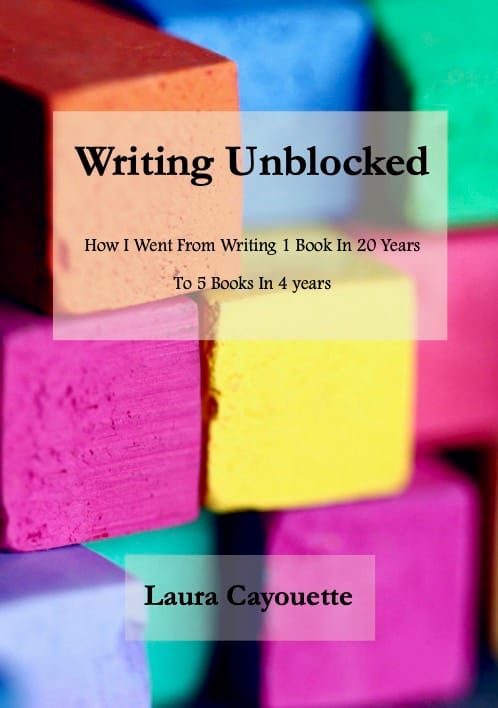
Get a subscription to the Writing Unblocked Newsletter and get the Writing Unblocked ebook as my gift to you!
It's possible to come up with some ideas using data from other works like your own. Maybe you don't know who will read your rivalry drama based in the fashion industry, but you can look at other books and projects like your own and make some guesses. You can determine whether a topic or genre is hot by examining available data like bestseller lists and sales charts.
But those charts can't tell us what people will like in the future, only what they have chosen to purchase in the past.
If you're working in familiar territory, maybe that information can be helpful. But if you're doing anything original, trying anything new, combining ideas that haven't meshed before, etc. – it becomes nearly impossible to predict audience reactions.
Varied interests and taste
People are complex. They bring entire histories with them to every moment, experience, and choice. A dozen 25-35 years old Asian males with high school diplomas may appreciate the same genre of music, but not like the same songs. They may love movies, but not the same genres. Just knowing someone's demographics doesn't mean you know something as complex, and possibly innate, as their taste. In fact, many people don't know what they like until they experience it for the first time.
Surprises
I've been going to movie premieres since the 90s. Once thing that happens more than you'd think is that audiences laugh at things none of us saw coming. While we're shooting a movie, we might find a scene so funny that we have to control ourselves. Then we watch the scene with the premiere audience... brace ourselves for the laugh... and nothing.
Then another moment will come along when a theatre full of strangers laugh at a moment NO ONE in the cast or crew realized was funny. Filming the Pulp Fiction "Royale with Cheese" scene, Tarantino knew it was funny, but he was surprised at the audience reaction to the Burger King line. Same audience, same scene – but the big laugh was one Quentin didn't see coming.
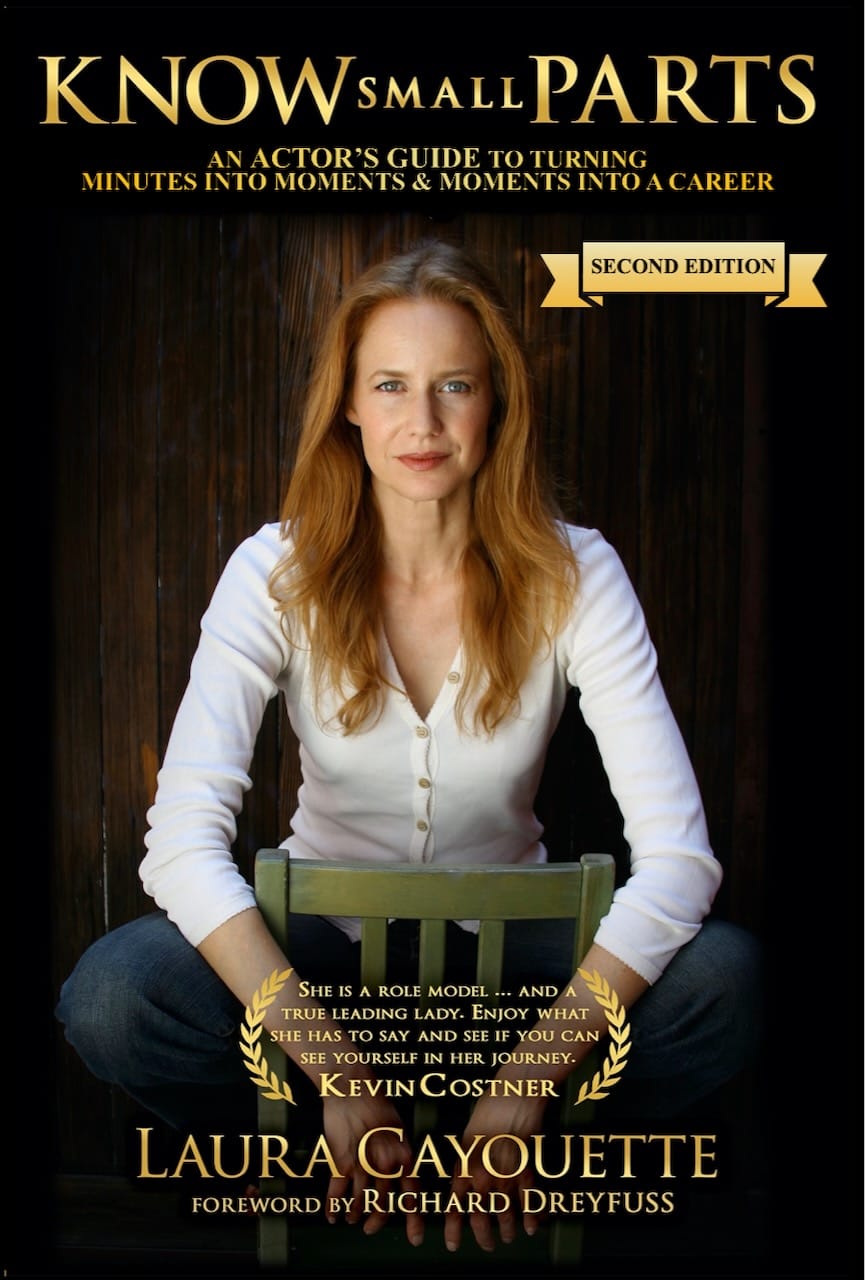
Subscribe to the Know Small Parts Newsletter for actors and get Chapter 2 – Breaking Down the Scene of my book as my gift to you!
They say humor is subjective, but so is tragedy. So is whatever scares us, thrills us, seduces us. We don't even all agree on what's worth fighting for. It's hard to believe, but not all people even agree on chocolate.
Though writing with a target audience in mind can guide many decisions, remember that your soccer biography might appeal to non-athletes looking for stories of self-discipline, motivation, or coming back from defeat.
Zen and the Art of Motorcycle Maintenance is the bestselling philosophy book of all time. In the introduction, the author explains that the book isn't associated with Zen Buddhism and isn't "very factual on motorcycles either." Imagine pitching a book with that title then explaining that Buddhists and cyclists are NOT your target audience.
Who should you write for?
If writing for a set of demographics can be limiting and inaccurate, who should you target when you write? It depends on your goals.
If you want to reach as many readers as possible, look for other projects like yours and research the demographics of which audiences bought the book. It might be wise to research what topics, genres, characters, themes, etc. are currently selling well and attempt to cater to popular taste. I say "attempt to" because the history of entertainment is littered with stories of flops that checked every possible box and failed to appeal to their target audience.
If you want to tell your story your way, your only real audience is you. Only you can know if you truly had the experience of telling your story your way.
Sometimes a story is so personal that you feel the need to tell it your way. Maybe you don't even care if anyone else reads it – you just need to get it out of your system.
Sometimes the story is like a gift from the universe and you want to get it right. I'm currently writing a novel, The Source, that combines reincarnation-romance, history, and suspenseful mysteries a well as fantasy, spirituality, and martial arts. Any sane publisher would want to know which section of the bookstore should carry this multi-genre, multi-character, multi-location, multi-era adventure. The truth is, I'm not sure. I only know I need to write it this way.
In this case, the basic ideas for The Source came to me and my BFF/muse as if we were being led down a path. It's as if the story already existed and we were discovering it. When I write, my goal is to stay on that path and see where it's leading me. Given that, I feel I have no choice but to tell the story my way. At least during this part of the process, I only think of rising to the occasion of the story and doing my best to share it.

If you want to touch one person, save a life, make someone feel seen – write for that one person. Maybe you're not a 20-something, high school educated female, but you probably know one. Write for her. Maybe you have a teacher, friend, coworker, sibling, etc. who best represents the kind of person you're trying to affect.
If you don't actually know anyone like the person you're trying to reach, use your imagination. Whether it's a character in a book or onscreen, maybe there's a fictional or public figure who represents your intended audience.
If you're not sure who is supposed to hear your story, only that you feel compelled to tell it – write for yourself. I've written books and stories for my younger self, things I wished I'd found on my journey to today.
My acting book, Know Small Parts: An Actor’s Guide to Turning Minutes into Moments and Moments ints a Career, was written for all the actors who'd ever asked me questions on my 30+-year journey. But when I'd sit down to work on the project, the reader I most pictured was the version of me who came to acting with no connections or training. Not only did it help guide the research and overall direction of the book, it made me feel empowered. I already had the proof this information was helpful because it had guided me, and the celebrities who mentored me, through the mysteries of our industry. Every time someone thanks me for the book or tells me it helped them get work, I feel I succeeded in writing the practical, real-life how-to book I couldn't find.
 Follow
Just write it
The truth is you never know who's going to read your work. I try to keep in mind that I'm the person most likely to read this writing over and over. I'm the one who thought it mattered that I get it all down.
I wrote Know Small Parts for actors in general. More specifically, I was inspired to write it by the background workers I spent time with while working on Django Unchained and hoped to help them achieve their goals.
But when I sat down to write, the person I most frequently wrote for was the me who had to figure out how to get training, when to move to L.A., how to break down a scene for an audition (even if you only have 5 minutes), what to do when you report to your first day on set, and even how to get a free dress for the red carpet.
Ultimately, all of my books are written for some version of me. So who do I write for? I write for me. Then, no matter whether the book sells 88 million copies or 88 copies, I love it. I feel like it was worth my effort. I feel successful.
Ask me!
I invite you to send me your questions. I’ll be selecting some of these questions for future newsletter topics (with an emphasis on topics that can benefit more than just the single individual who asked).
Thanks for reading! I hope this inspired you to dare to live your calling.
Please consider becoming a paid subscriber. I love writing for you, and your support ensures I can keep sharing my time and information.

Comments ()