Write what you know?
If you've studied writing at all, you've probably heard the adage, "Write what you know." It's wisdom passed from the greats and it's undoubtedly good advice. Until it isn't.
When I was getting my master's in creative writing, we were advised that writing what you know gives you access to details no one else may have noticed. It also offers perspective. A point of view. Life history. An origin story. Personality. And much more. Which is why I based my first novel, Lemonade Farm, on events from my own childhood. My next book, Know Small Parts: An Actor’s Guide to Turning Minutes into Moments and Moments into a Career, is a non-fiction how-to based on my decades of experience in the entertainment industry. Though the book offers wisdom from various celebrities and teachers, the lessons learned reflect my perspective and how I used their wisdom in real life.
It wasn't until after I'd already been living in, and blogging about New Orleans for several years that I felt daring enough to try writing a story set here. Maybe that's why the main character of the 5-book Charlotte Reade Mystery series was an L.A.-based actor with family roots in Louisiana – just like me.
The 2-book series I'm currently crafting is a huge departure for me. This time, the story includes places I've never been, cultures I've never experienced, and eras thousands of years before my birth. There are immortals, reincarnates – and martial arts. I'm WAY out of the area of writing what I know.
Is it your story?
The story for The Source (my current project), came to me in 2005 while I was crocheting and brainstorming with my best friend since high school. We were as surprised as you might be that the story that came to us was of the four children of The Garden. We were downright shocked when I began researching and found that many of our ideas were connected to stories from Ethiopia, Egypt, China, and more. Though I've never been to China, Sudan, or even the Hopi Reservation in Arizona, all of those locations demanded to be part of the story.
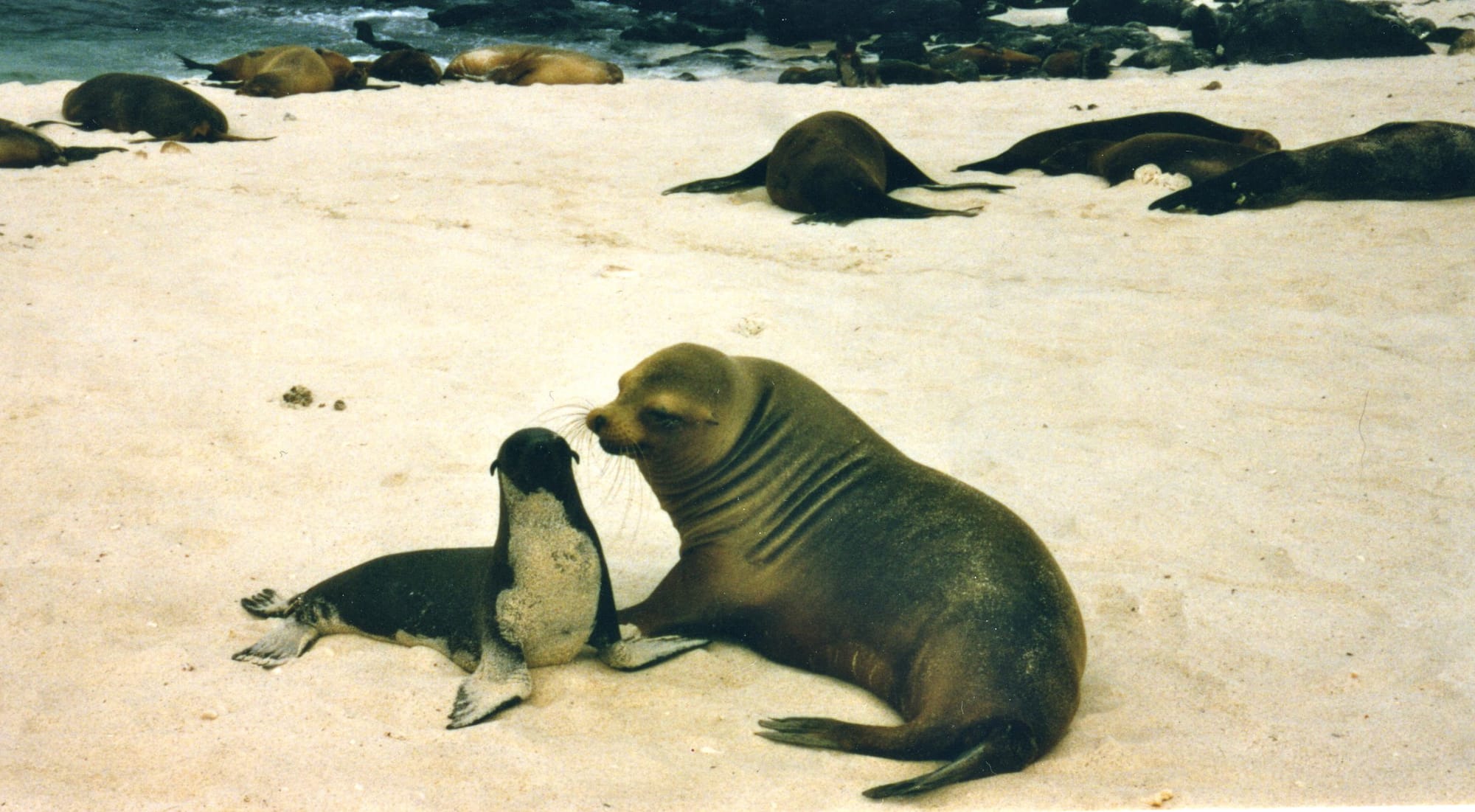
Some of the moments in The Source could happen in a variety of locations. When possible, I've chosen places I've already visited. Better to figure out which story point is best told in the Galapagos Islands (which I have visited), than to choose a place I don't know. I also chose to root at least one of my main characters in New Orleans, not just because it's the right place for those story moments, but because I live here. I know this place.
Get a subscription to the Writing Unblocked Newsletter and get the Writing Unblocked ebook as my gift to you!
Other chapters take place in Sudan thousands of years ago. It would be difficult for me to safely visit that region today. And nothing short of a time machine will afford me the details of living thousands of years ago. I'll admit it's terrifying to try to bring a place to life without ever having been there. When I try to write for the immortal characters. it's even scarier trying to imagine the thoughts of someone who's been alive for thousands of years with my brain that's only been here for decades. Even attempting to capture the brutal beauty of martial arts has been a challenge since I'm mostly unskilled and unschooled.
Write what you want to know
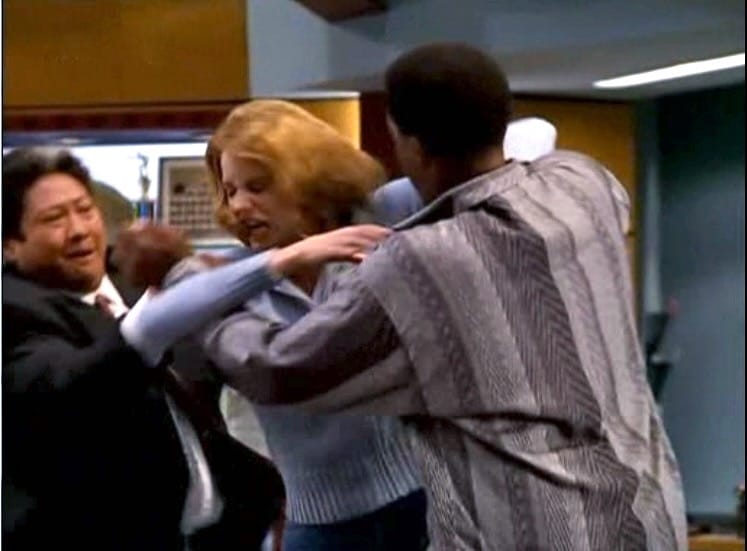
I may have fought Sammo Hung (and Arsenio Hall) in an episode of Martial Law, but, other than watching Jackie Chan and Bruce Lee movies, I've never studied martial arts. I've still never taken a lesson outside of a movie/TV set, but I can now tell you multiple versions of where and when the practice was born. I've never been to the Shaolin Temple, but I know the layout of the grounds and the history of the many destructions and re-buildings. My research has included hours of reading articles, watching online interviews and documentaries, comparing various maps, and exploring blogs and other personal accounts of the Temple, its history, and teachings.
Because of the winding story of The Source, I've gotten to study everything from wigs in ancient Egypt to how elephants communicate across distance. I've learned about Nu Shu, the women-only language in China that is sung, not spoken. I've studied living in Las Vegas in the 80s, the history and interpretation of tarot cards, the Harvard Divinity campus and course offerings, archeology techniques and practices, the history of gods, and so much more.
I let the story go where it takes me, but I let my interests guide my choices. If I find the story of the Emerald Tablets, or cymatics, or the many legends of the Phoenix bird interesting, maybe readers will too. Either way, it makes my experience of researching and writing more exciting and enriching.
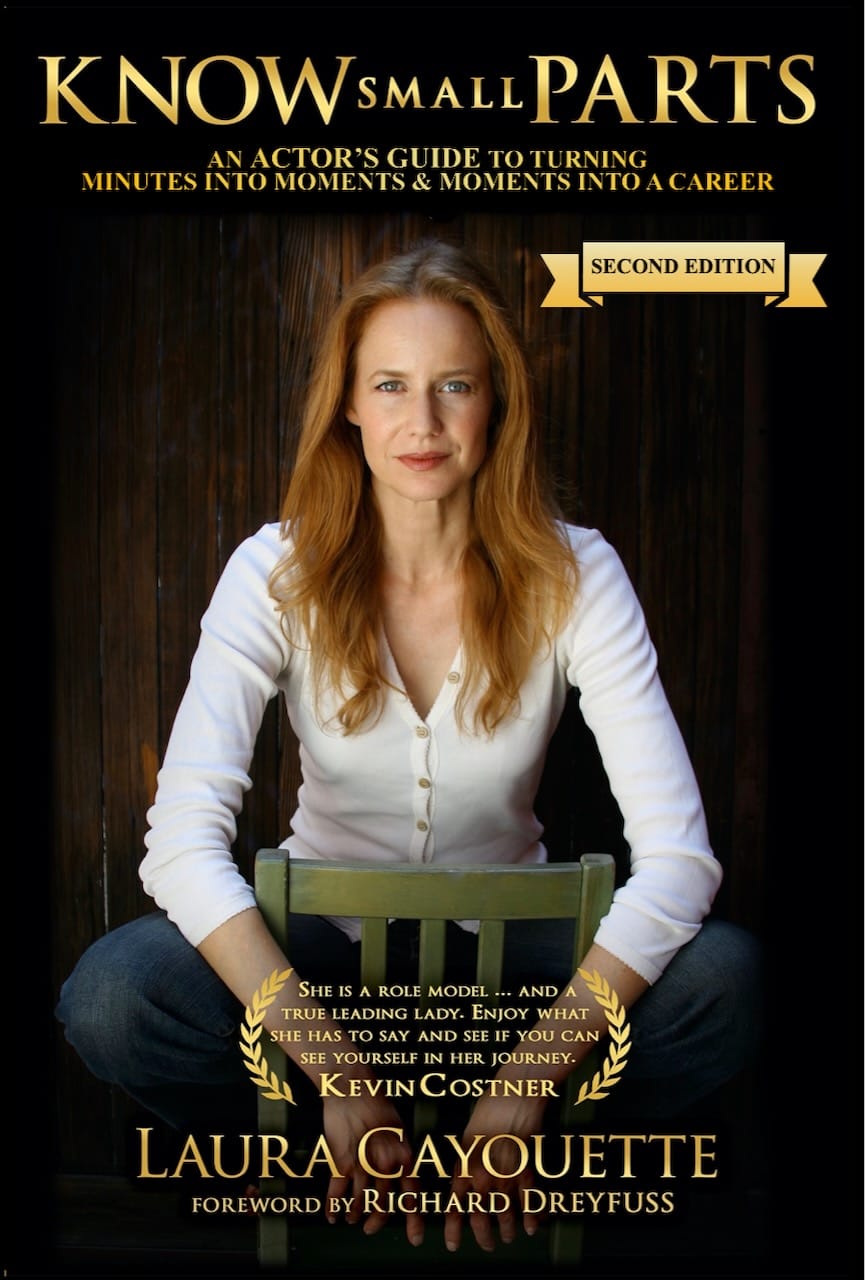
Subscribe to the Know Small Parts Newsletter and get Chapter 2 – Breaking Down the Scene of my book as my gift to you!
It really happened - vs - Truth
Writing what I know isn't the same as writing what I think happened.
I make my living as an actor and I'm usually grateful when I find I have a lot in common with the character I'm expected to play. I'll often have some insights gained from my experience that can help me fill in details that feel authentic. The same is true with my writing. If I base my stories on me – the details are likely to be realistic. But when I act, I rarely think about being "realistic." I think about being truthful – which is different.
In real life, I met my husband at a neighborhood bar-restaurant called Lost Love Lounge. But any time I've tried to write anything based on our love story, it's seemed beyond ridiculous to have the characters meet at the Lost Love Lounge. Too on-the-nose. Too cliché or predictable somehow. So as delicious a detail as the bar's name is, it's potentially more distracting than developmental.
I've always found it better to try to capture the essence of something more than the facts. The essence of that love story is that we seemed fated to meet. You could further imply that the meeting would come after one or both of the characters had somehow lost a love. And, it's a funny name for the location of that situation, so you might want to capture the humor as well. It may be true that we met in the Lost Love Lounge, but what happened was that our meeting felt fated. The name of the place is just a funny detail, not the point of the story.
Get a subscription to the Writing Unblocked Newsletter and get the Writing Unblocked ebook as my gift to you!
Truth may be stranger than fiction, but is not necessarily better written. One of the most common defenses I hear of "bad" writing choices is that, "it really happened!" Maybe so, but there's a reason movies use the language, "Based on a true story." Stories need the liberty to be rewritten for everything from structure and timelines to location and pacing. Writers sometimes need to combine multiple characters into one character for decreased confusion and increased impact. Any number of changes might make the story work better for the reader than the way life "wrote it" for you.
Write what you care about
At the end of the day, the only guaranteed reader you have is you. Write the book you want to read. Maybe you just needed to get the "truth" out of your system, like a long journal entry no one else needs to see. Maybe that becomes the basis for a memoir. Maybe the "true story" is the jumping off point for a better idea. Whatever the case, writing is time-consuming and sometimes very difficult. Write about things you care about because you will ultimately spend more time with that story than even your most ardent fan.

Comments ()