Researching online
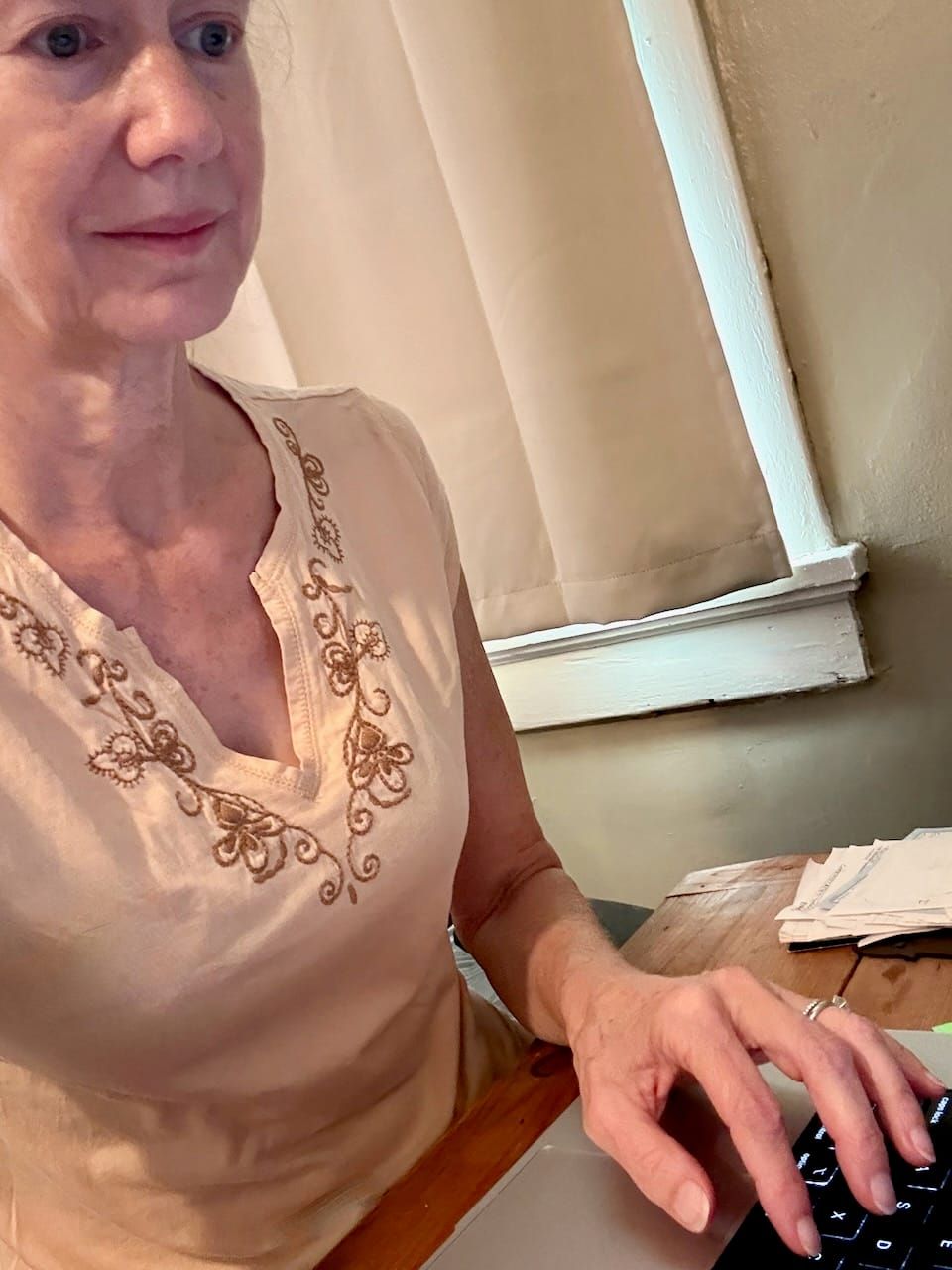
Confession – I love researching. It's one of my favorite parts of the writing process. My research can include interviews, traveling to locations, and trying new things (experiences, skills, occupations, tastes, etc.).
But the vast majority of my research is done online. Even if I am meeting someone for an in-person interview, I'm likely to have researched that person's background and watched/heard previous interviews online. I usually check out the menu of wherever we're meeting so I don't spend time deciding what to eat or drink when I could be focusing on the person in front of me.
If I'm visiting a location. I will have researched the place, its history, and who to contact there for more information. Online research assists in-person research.
The book I'm working on now, The Source, combines historical data and real people/locations/moments with fictional characters, places, and events. I find myself researching everything from the layout of the Shaolin Temple to how long it would take a large bird to fly from Quito, Equador to Lake Tana, Ethiopia using the jet stream.
Pulling a thread
When I research online, I generally start with something specific I need to know. Last week, I was writing a sentence about someone making curtains for someone she liked who'd just gotten an apartment somewhere Uptown. The moment was set in 1912 New Orleans between two people of color.
I wanted to know what the curtains might be made of at that time. I remembered hearing that during the Great Depression, clothing was made from flour sacks so frequently that the flour companies started using printed fabric, particularly florals. I wondered when that tradition started. And then, was it considered normal in 1912 New Orleans?
NOTE: I've mostly included just the landing pages here – which feature AI overviews. I then do further research using image search, time restraints, and other online search tools.
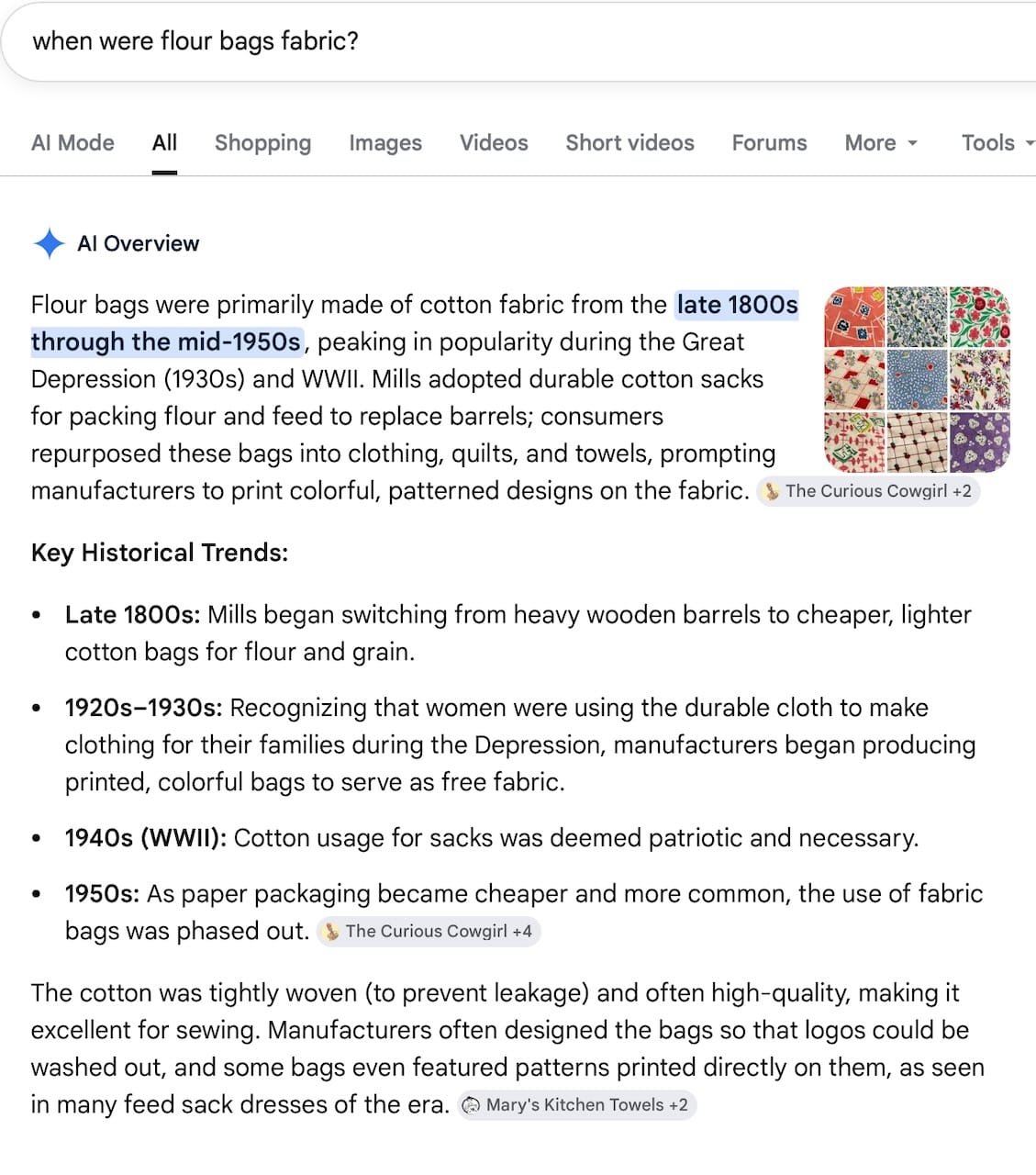
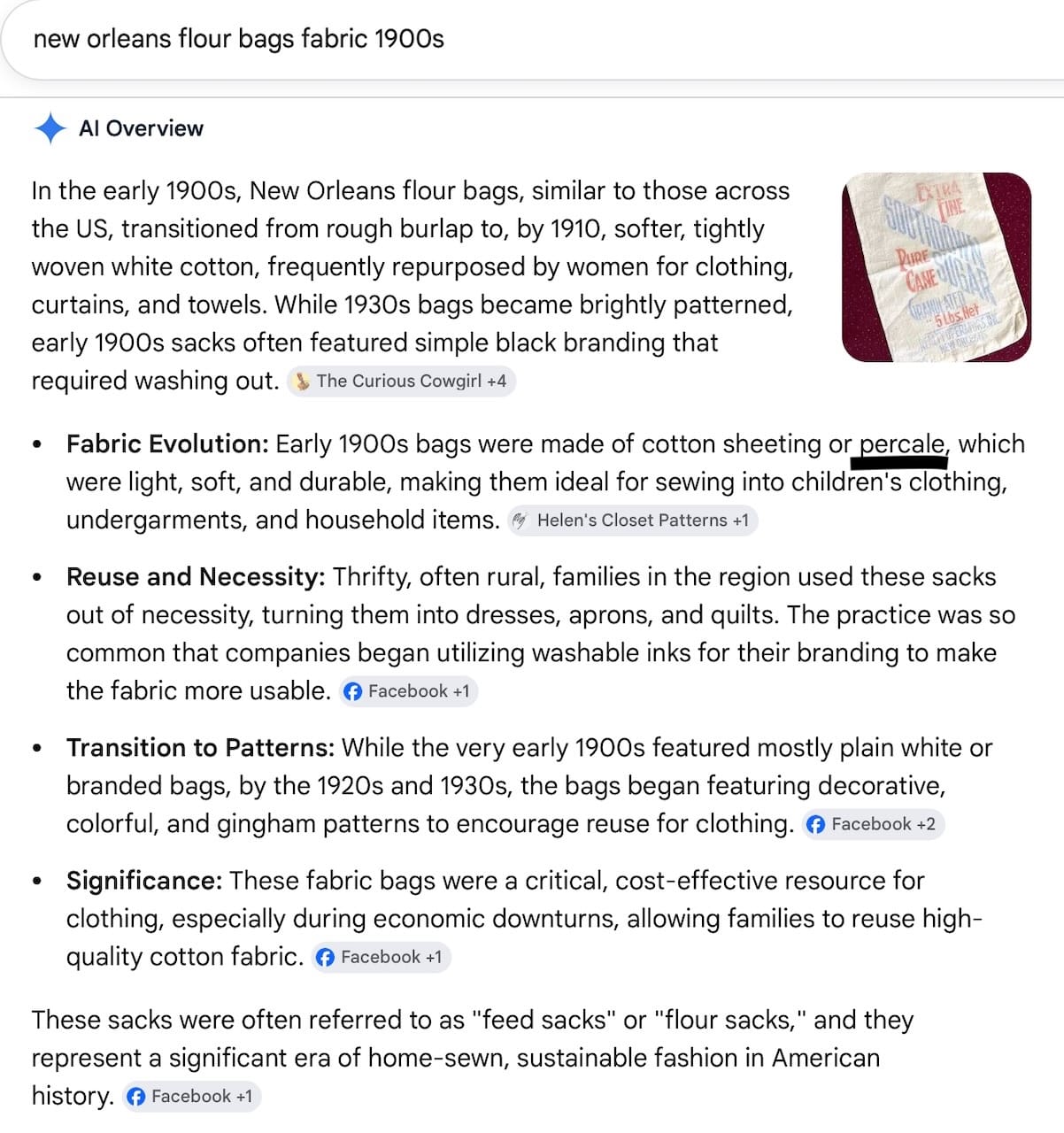
It was settled – I could definitely use the flour sack idea, but what was percale?
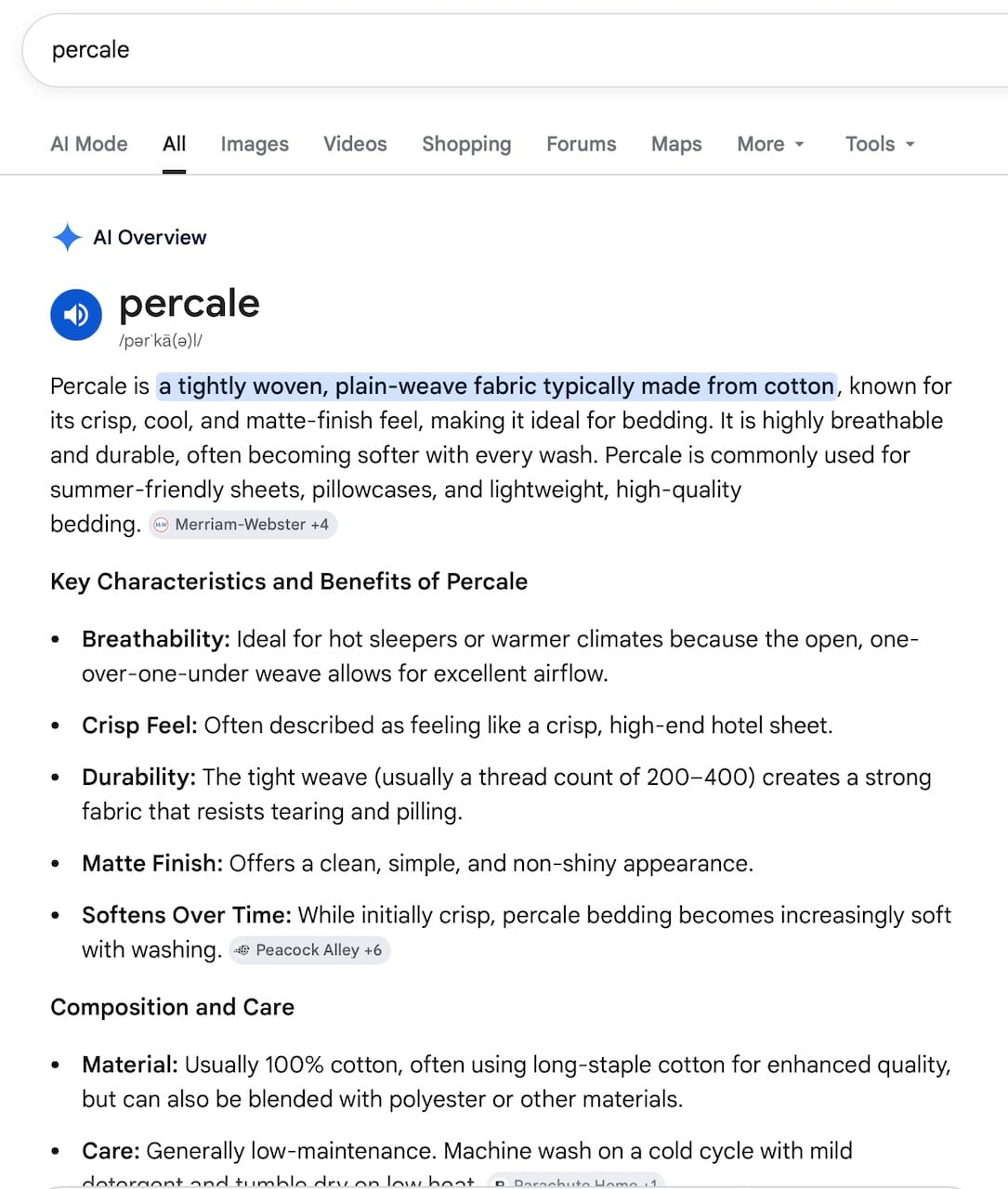
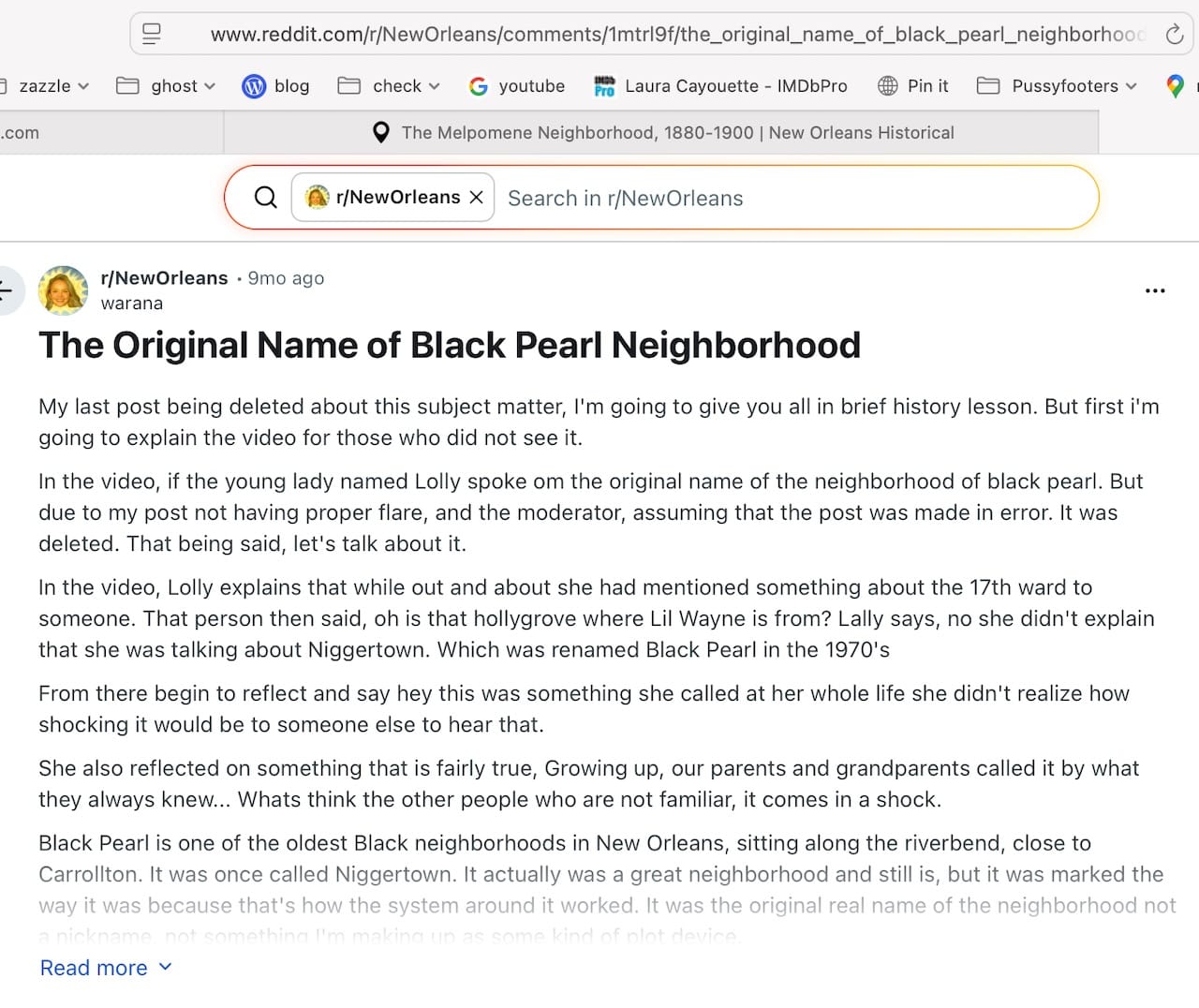
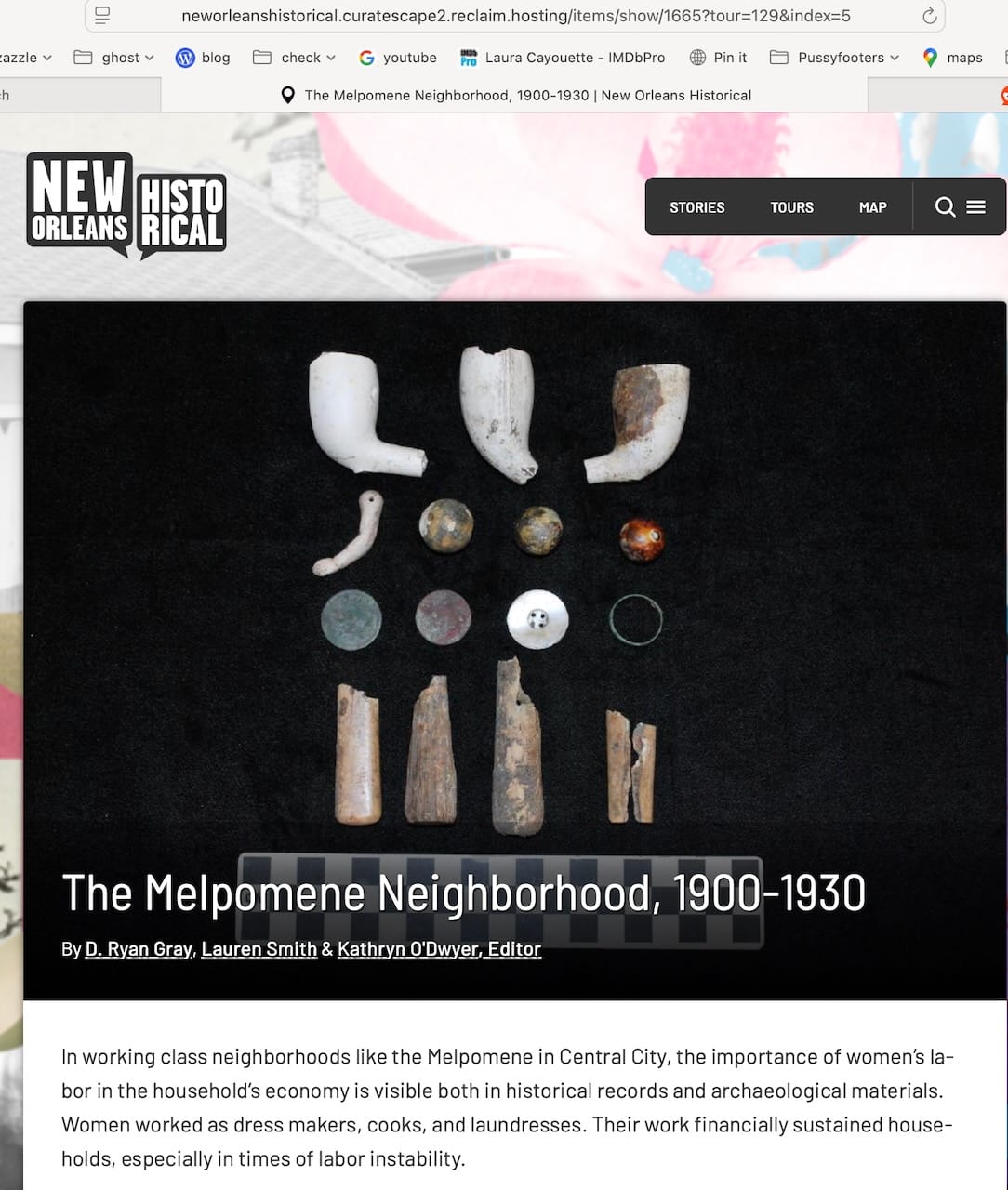
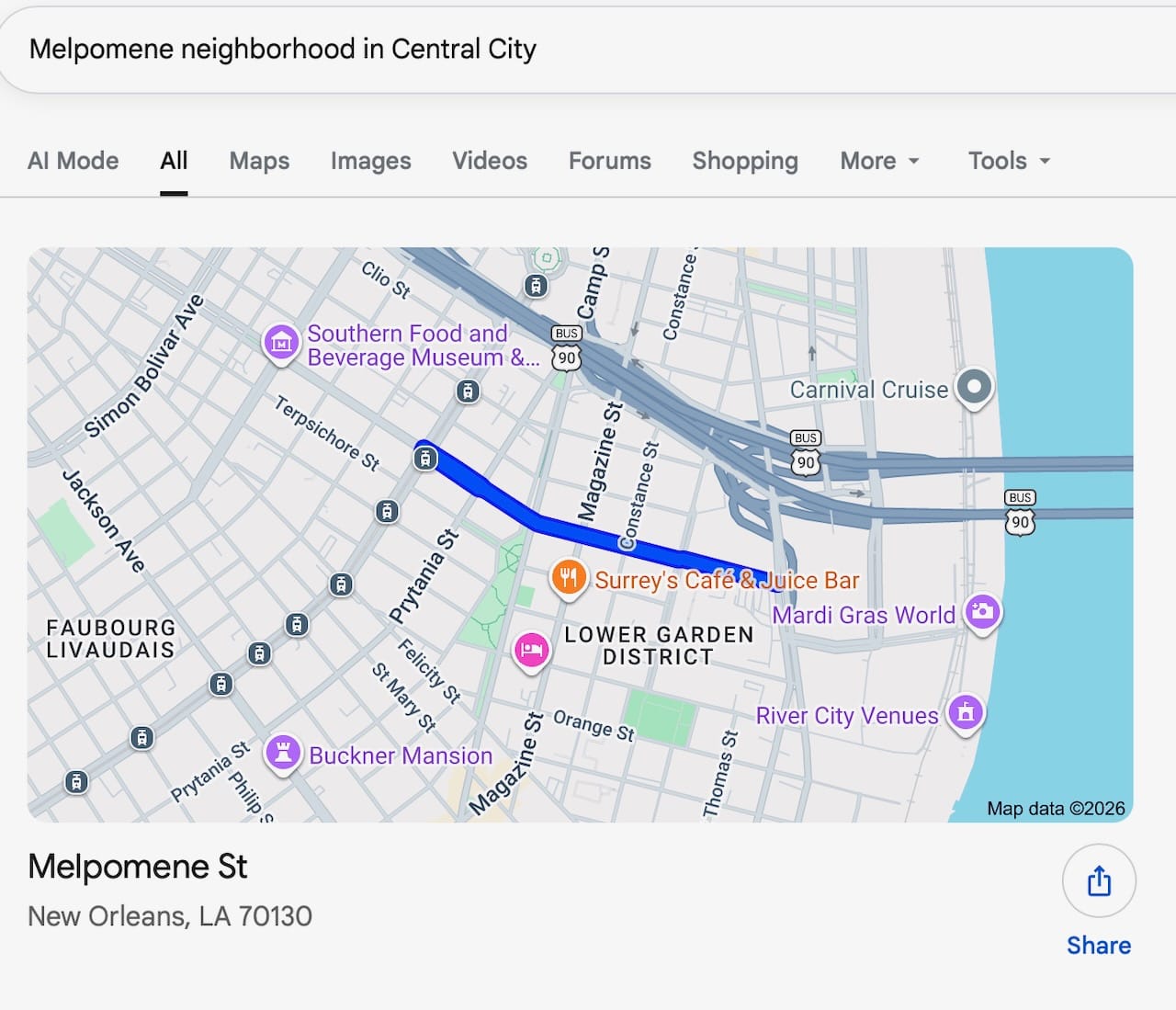
Once I knew she would be bringing him curtains made of plain percale flour bags, I needed to know where the new apartment was located. I found there were a couple of neighborhoods in the Uptown area that might work. I loved the romance of the Black Pearl neighborhood. It sounded so beautiful. But further research showed the neighborhood had another name I was unwilling to use. So I chose Melpomene and was glad I had kept digging.
From general to specific
The next part of the story takes place in the French Quarter as the two characters get a bite, stroll to the river, and see someone playing fetch with a large, chaotic puppy.
- Would my characters be able to buy food in the Quarter during Jim Crow?
- What kind of food would be available?
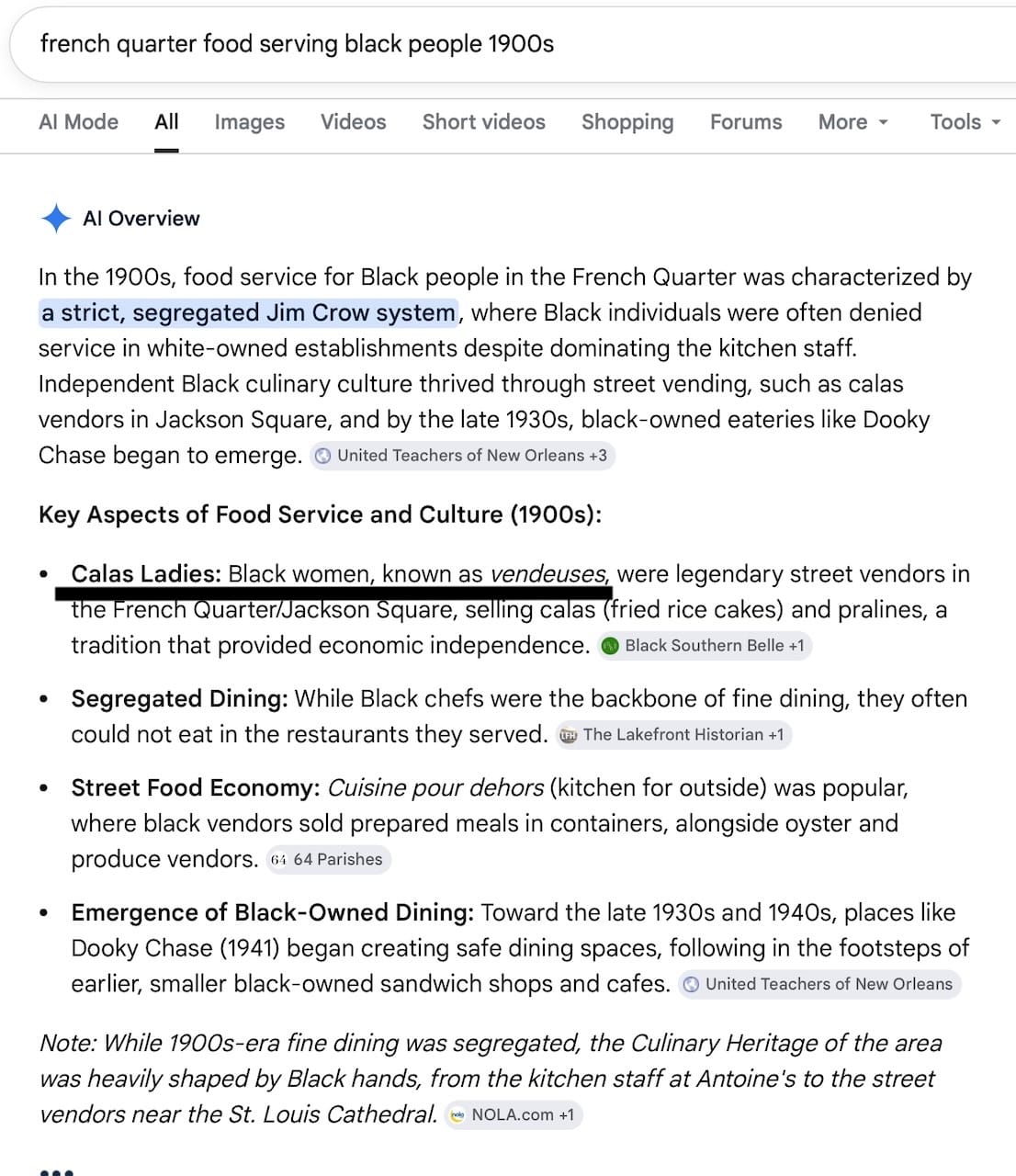
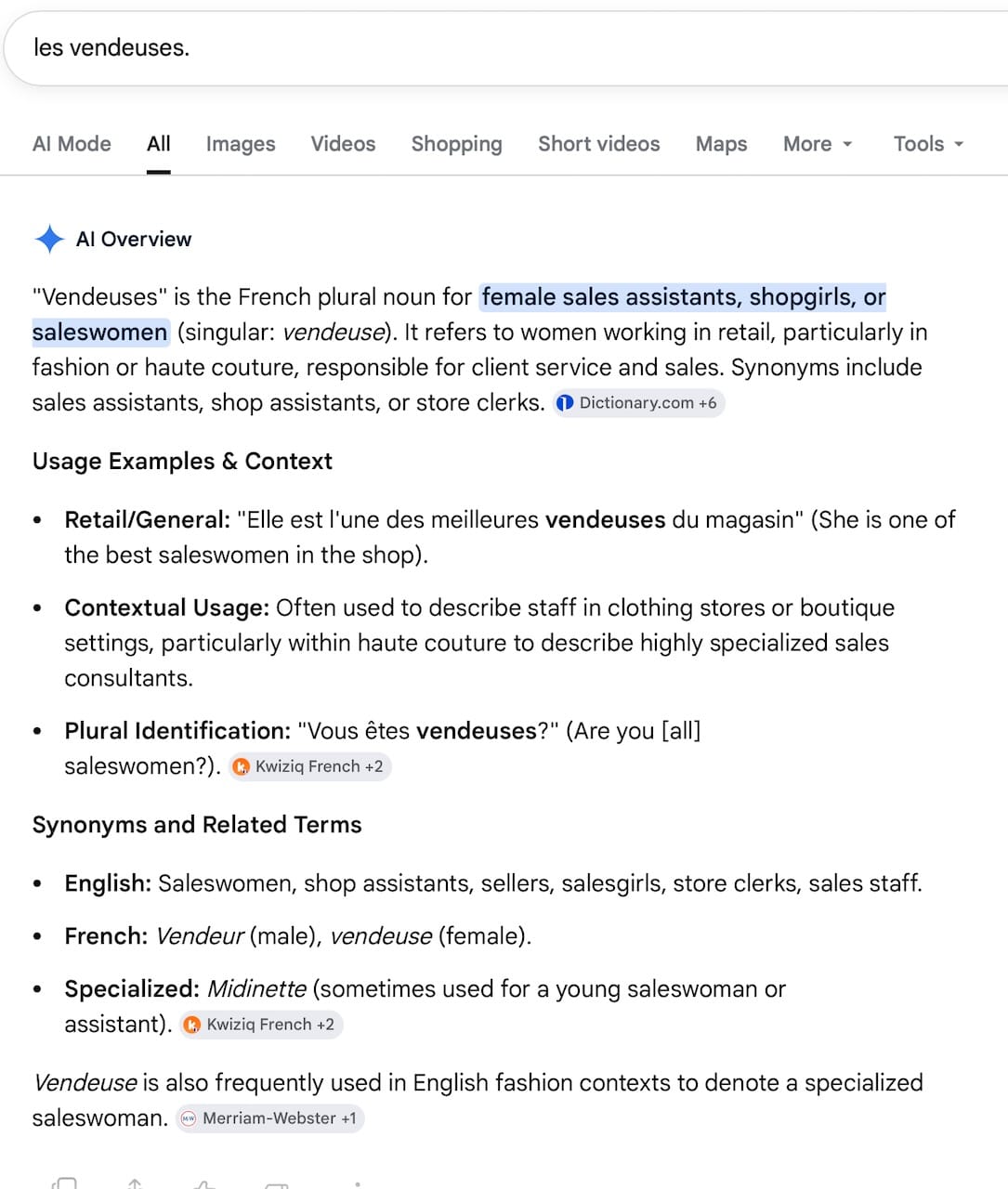
I decided they would buy street food and used the opportunity to learn a new word: vendeuse. Now my characters buy calas (fried rice cakes) and pralines from a vendeuse. I've eaten pralines all my life so I could use memories for that part of my information gathering. I'd already researched calas (which I've only eaten a few times) – looked at photos, recipes, origins, and uses – so I could move on to...
- What type of unwieldy puppy would be best for the moment?
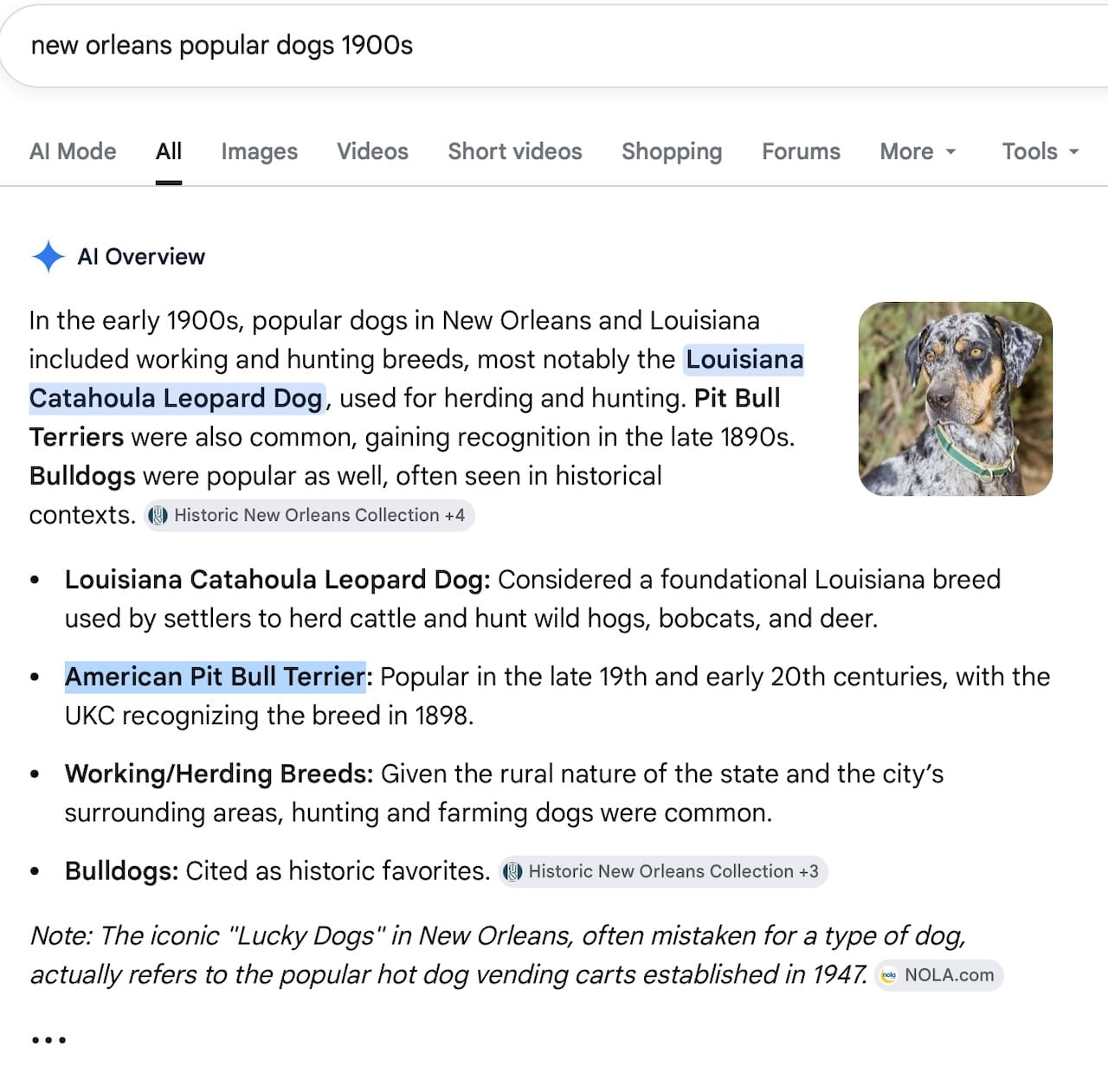
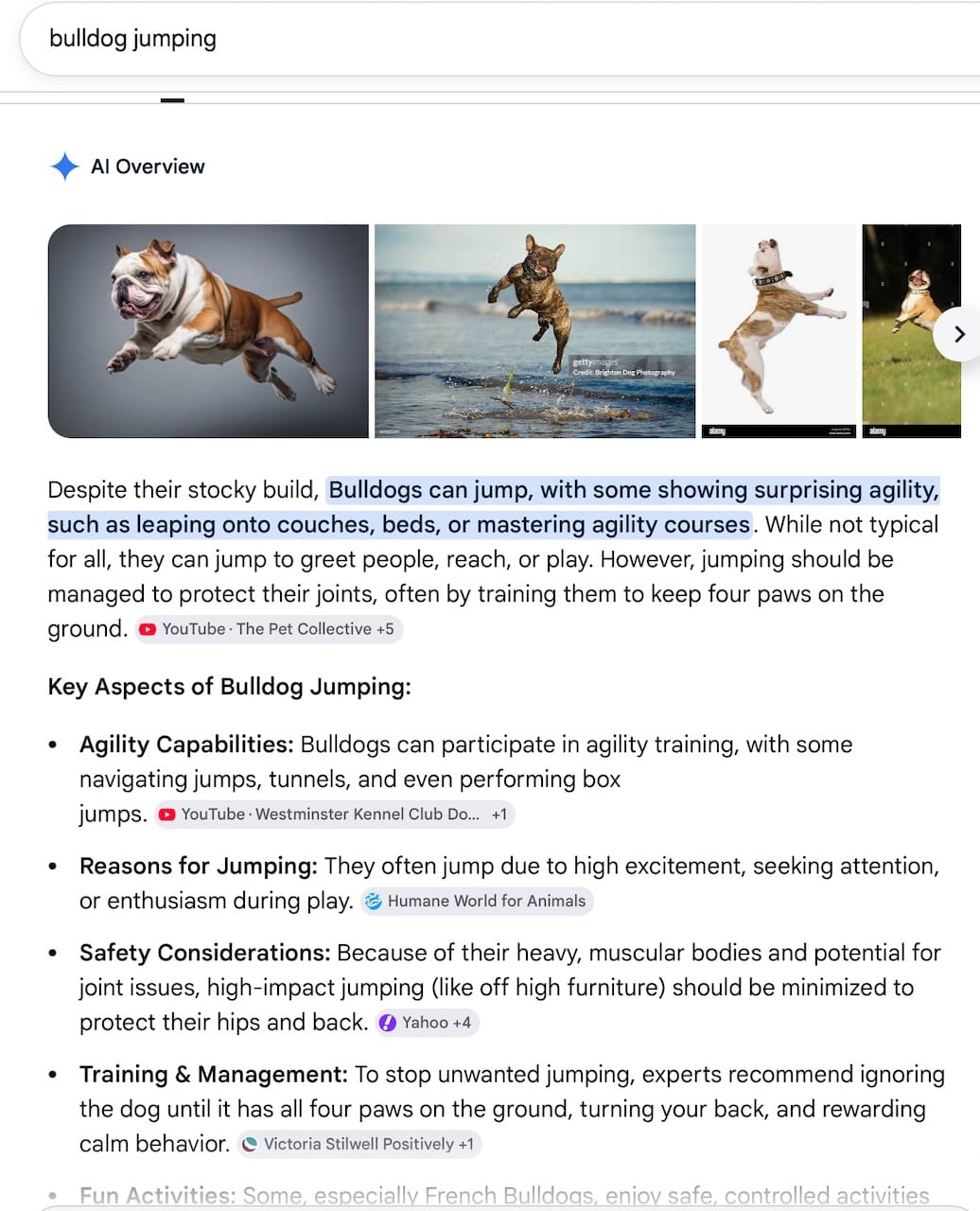
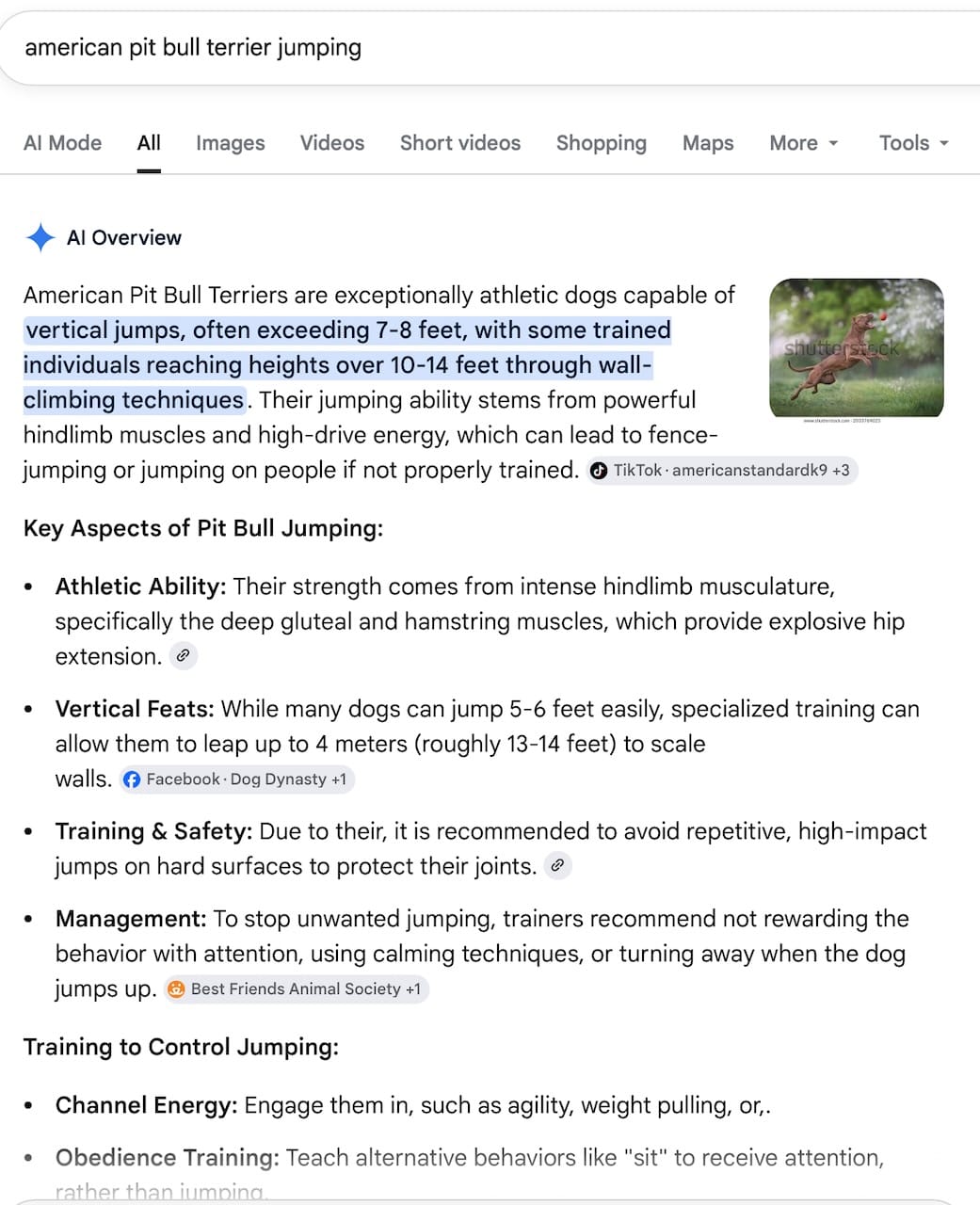
I would need a breed prone to jumping and big enough to knock someone over. I started with: new orleans popular dogs 1900s and found Louisiana Catahoula Leopard Dog, Pit Bull Terriers and Bulldogs. I searched each of those and narrowed it to the heavier breeds, Pit Bulls and Bulldogs. The last question was which breed would be more likely to jump – which landed me with Pit Bull Terrier.
Answers create questions
The last part of the chapter I'm working on takes place on October. 10, 1912. Quite a bit of research went into choosing that particular date – mostly to do with when an eclipse would be at least partially visible from New Orleans in 1912.
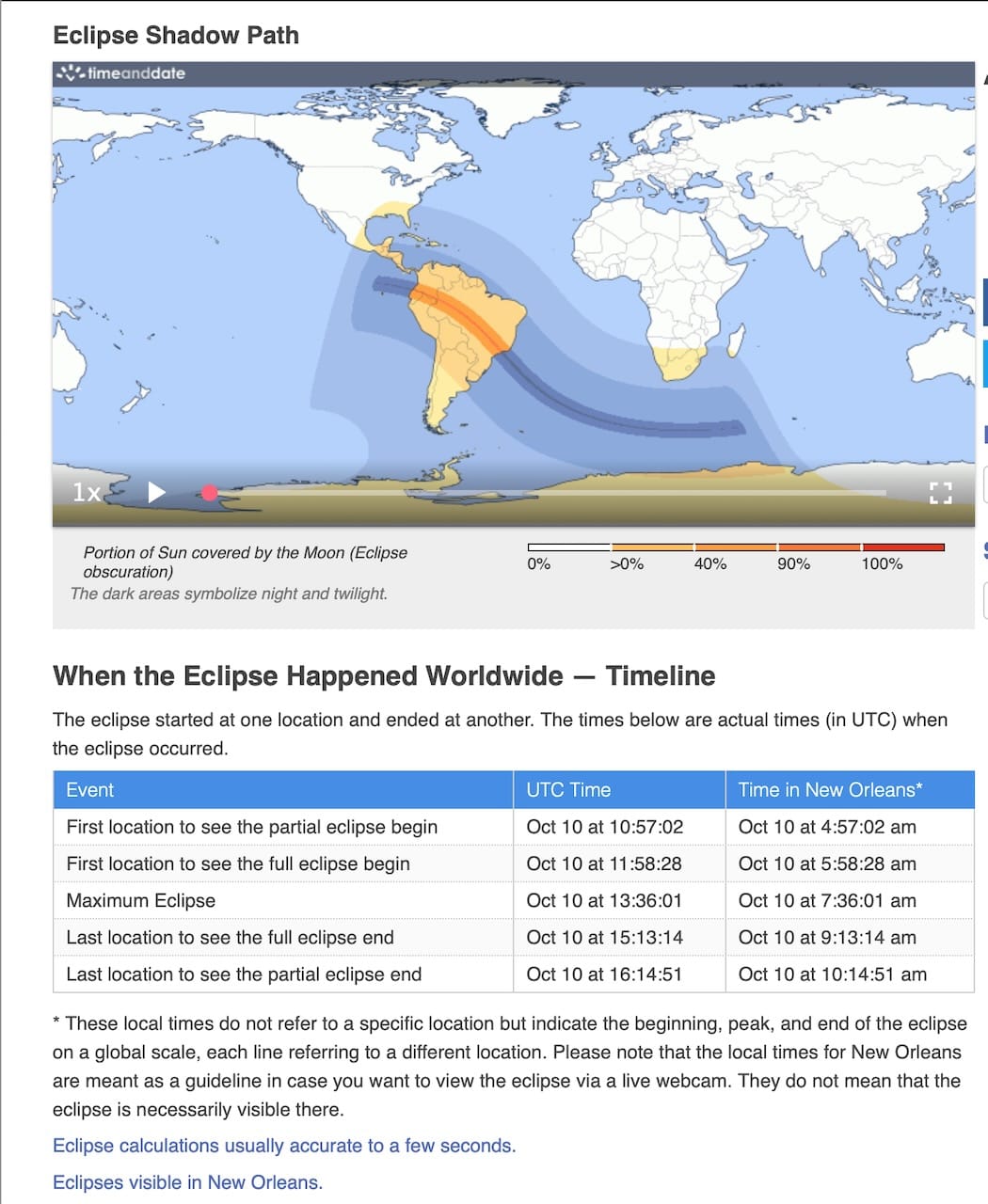
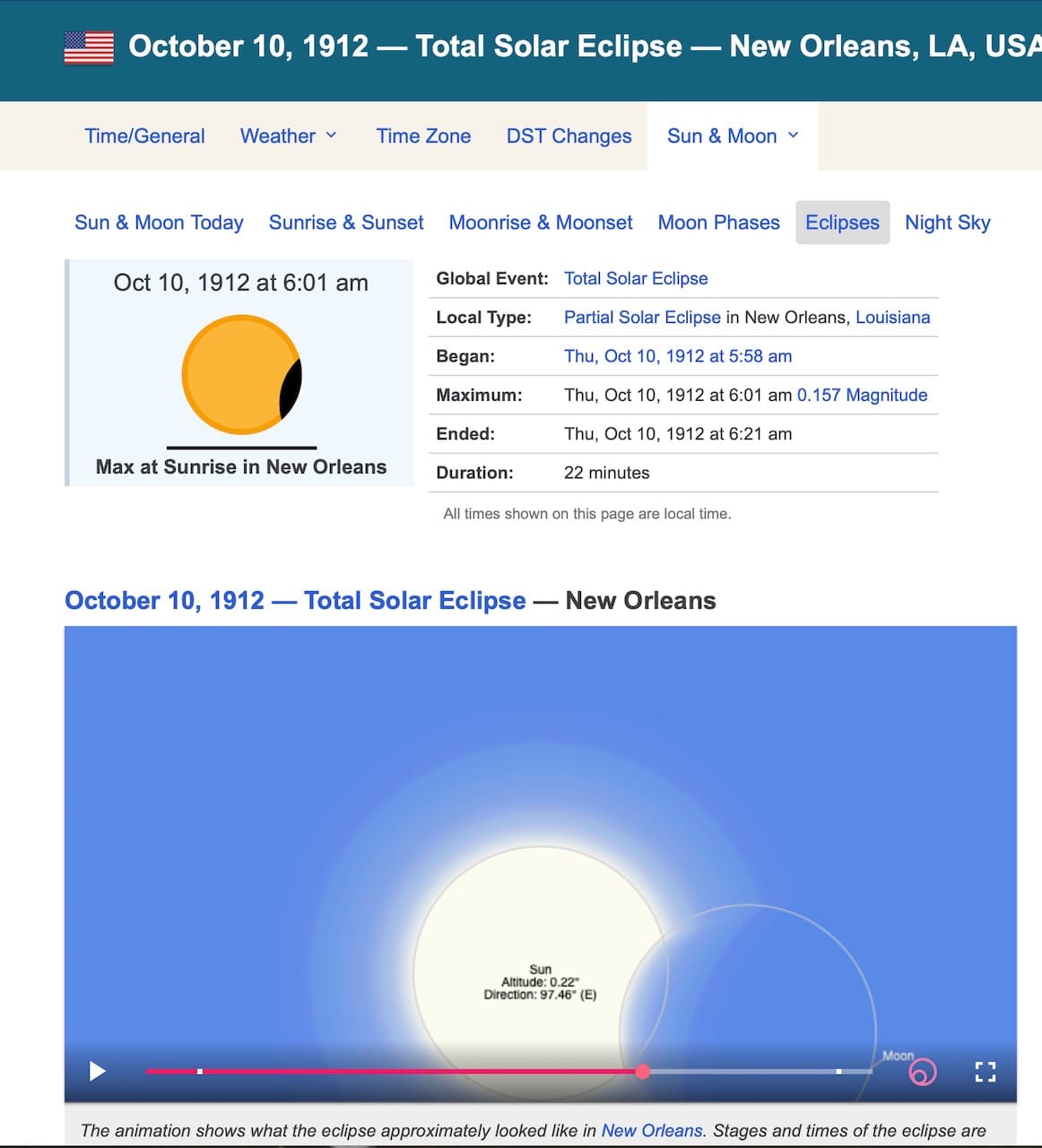
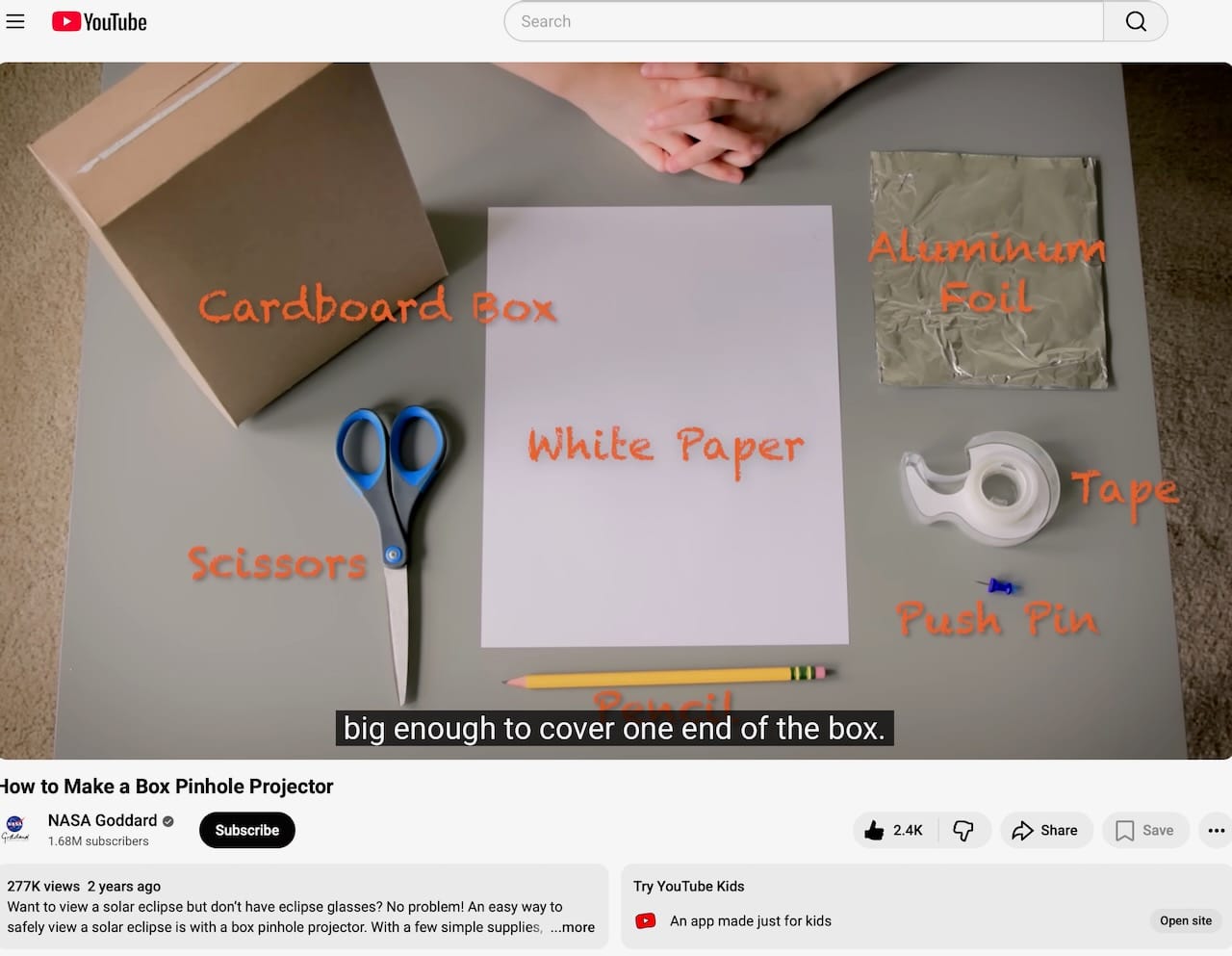
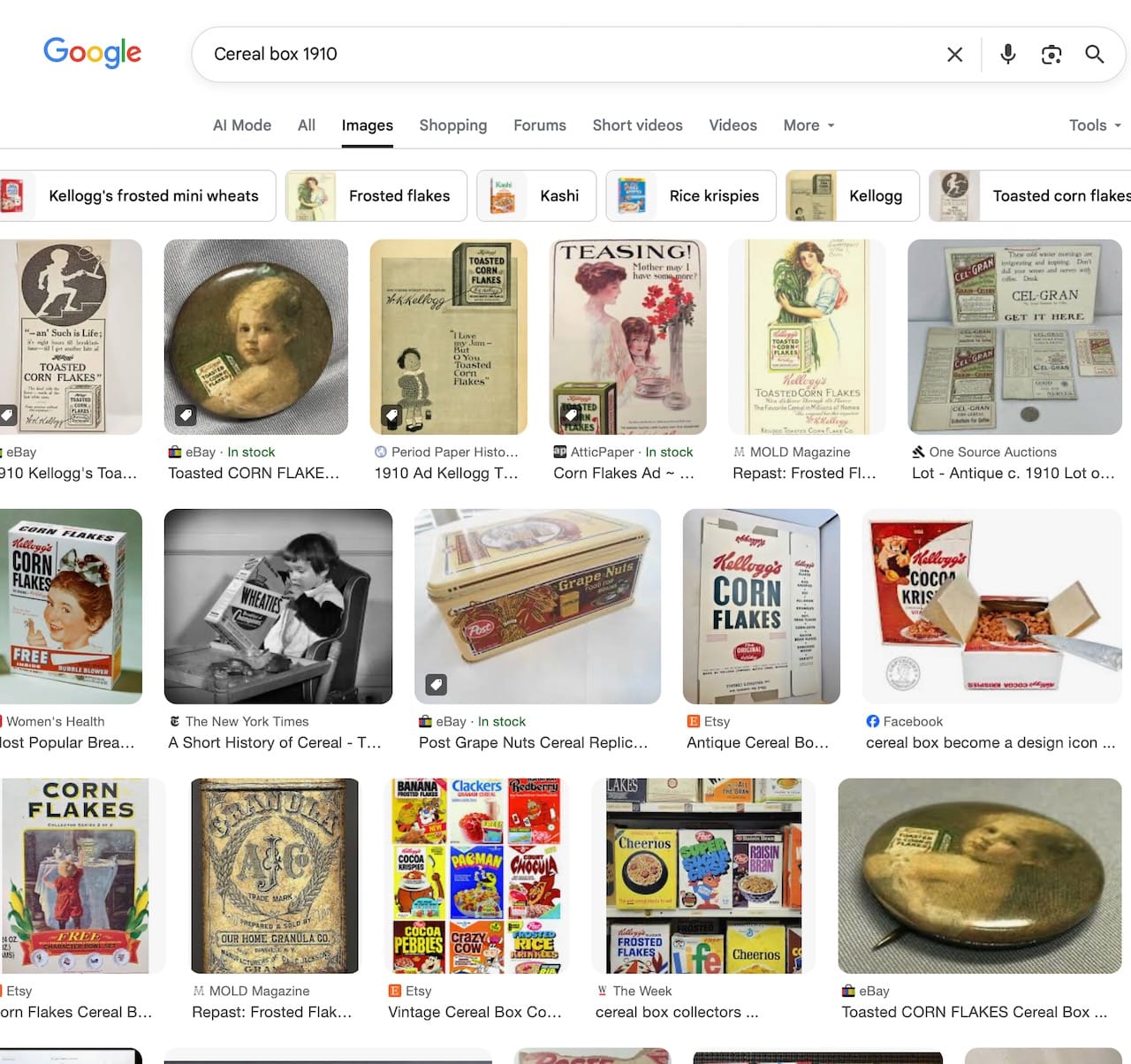
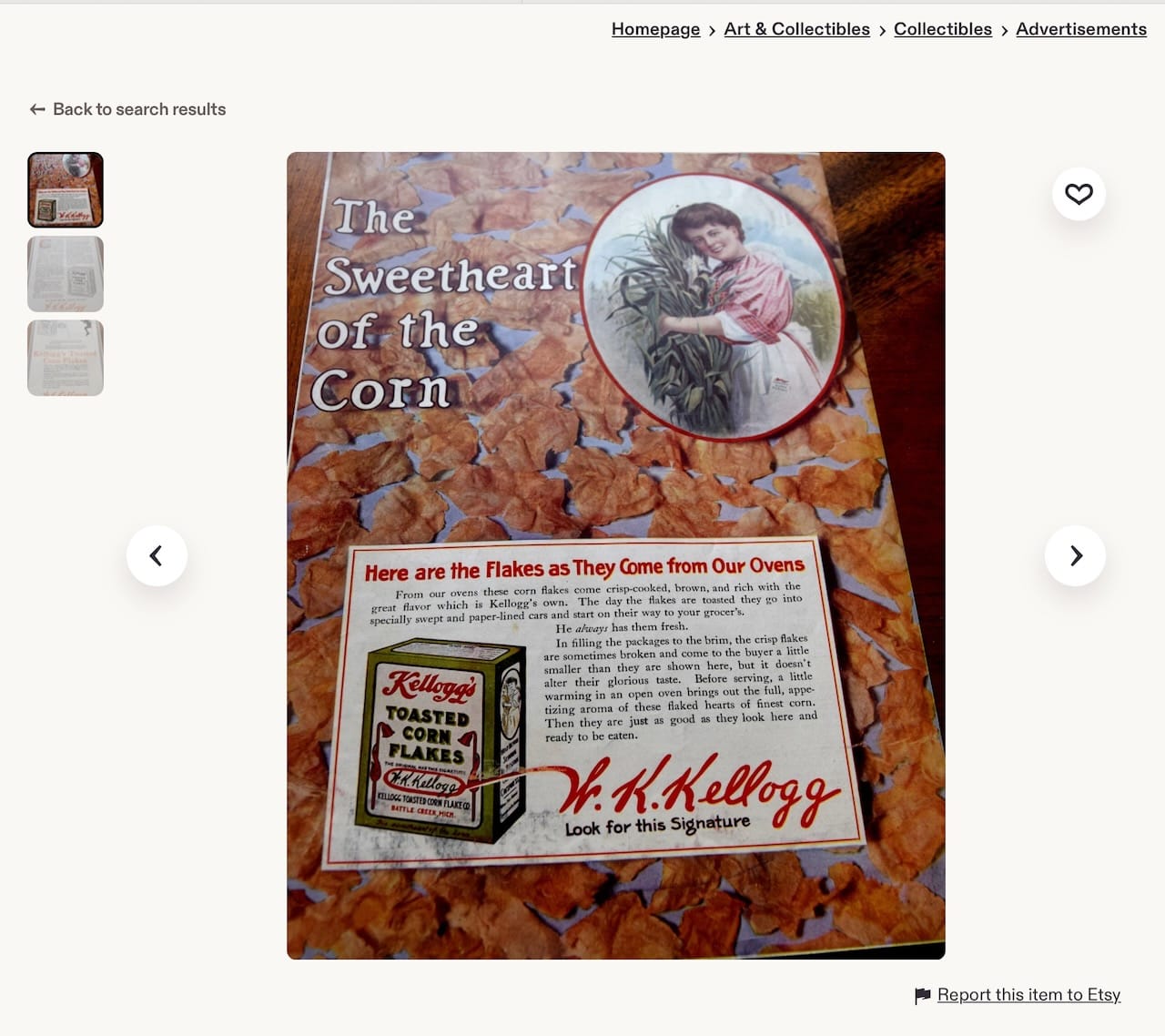
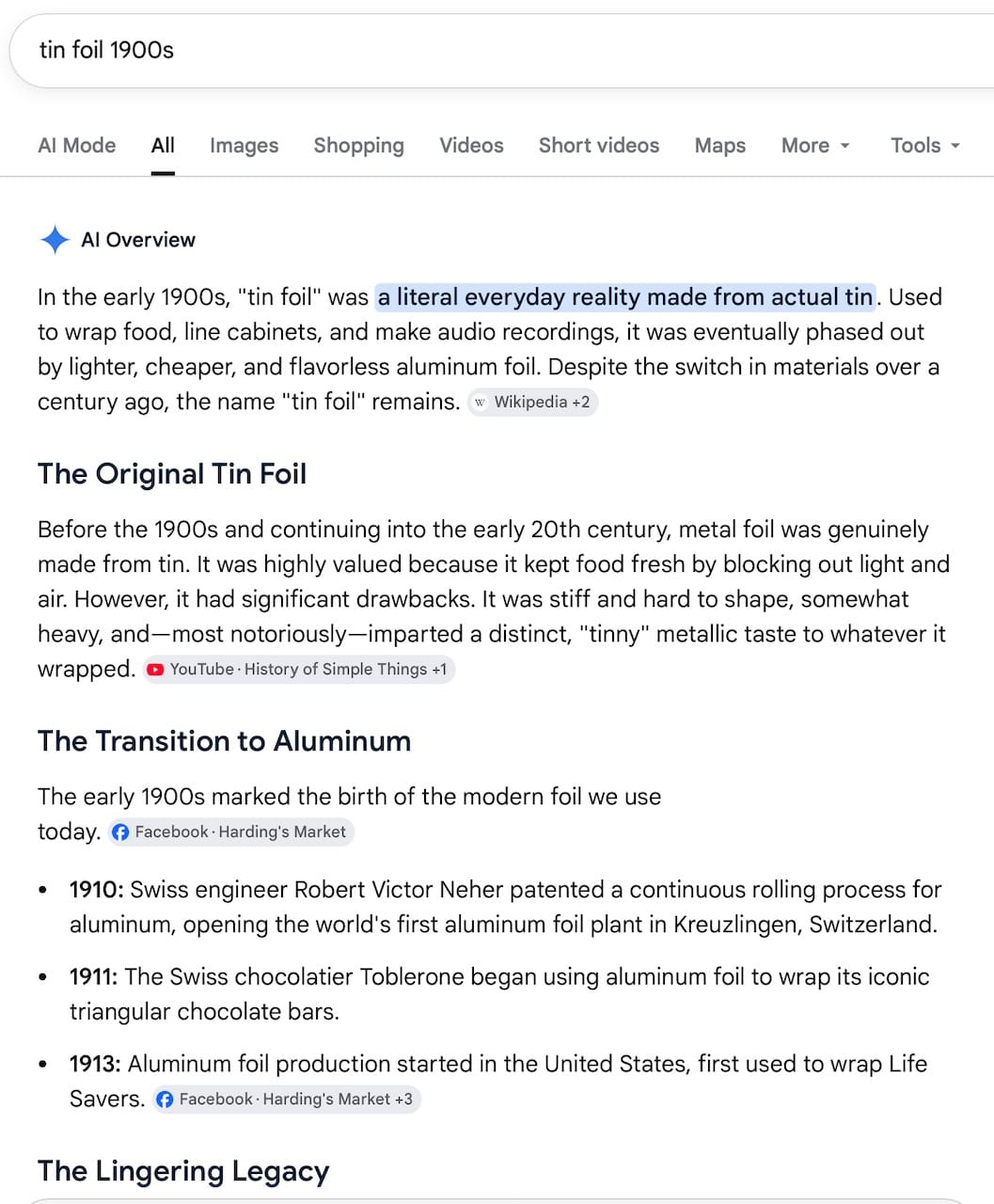
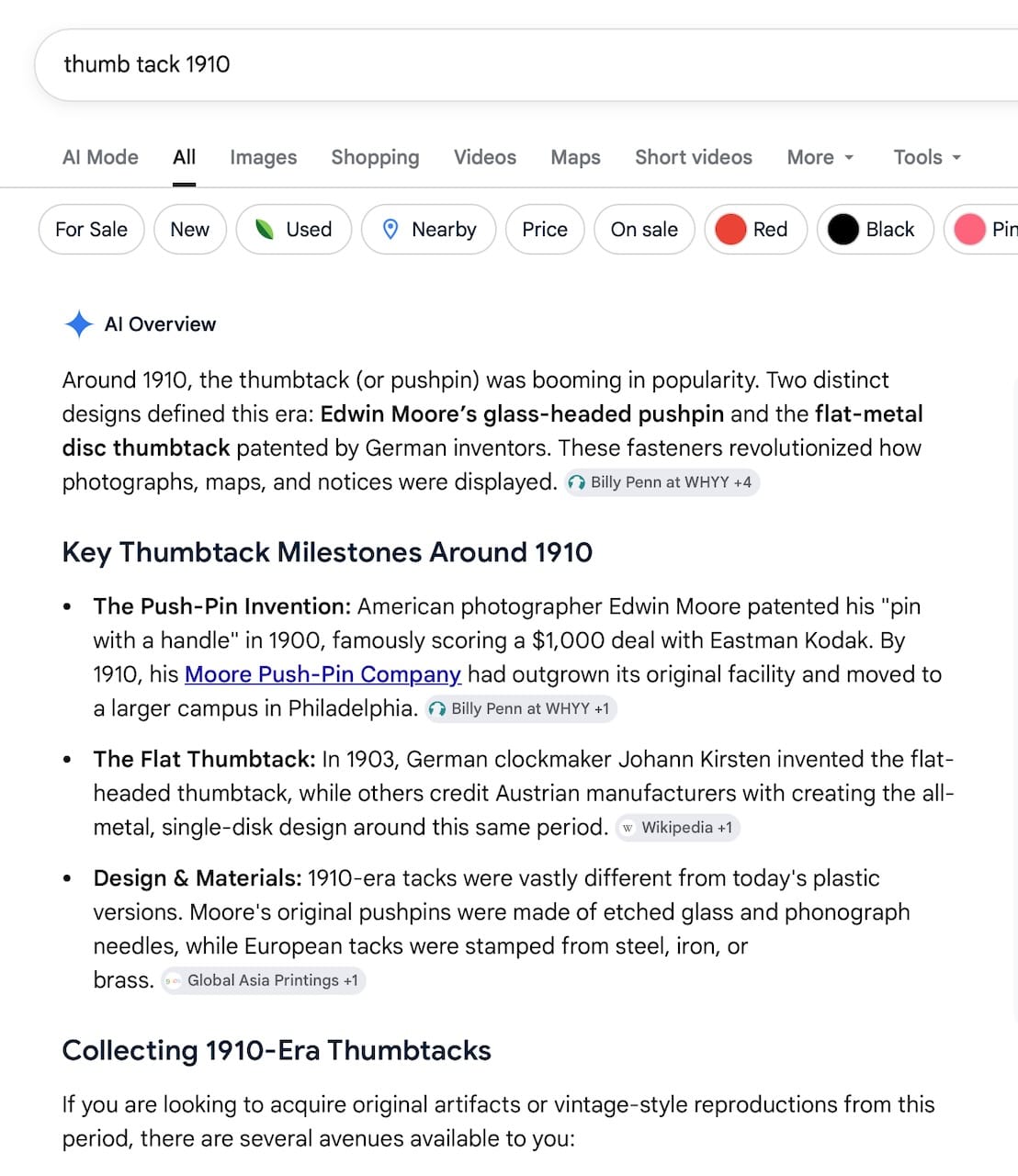
Then I searched for how to view partial solar eclipse 1900s. It turned out there were several ways to view an eclipse during that era, but I liked the craftiness of a pinhole projector. After a slight detour into the fascinating world of pinhole cameras and the camera obscura, I watched several videos on how to make my own pinhole projector using a cereal box, white paper, aluminum foil, tape, and a push pin. It all sounded easy enough until I began asking more questions.
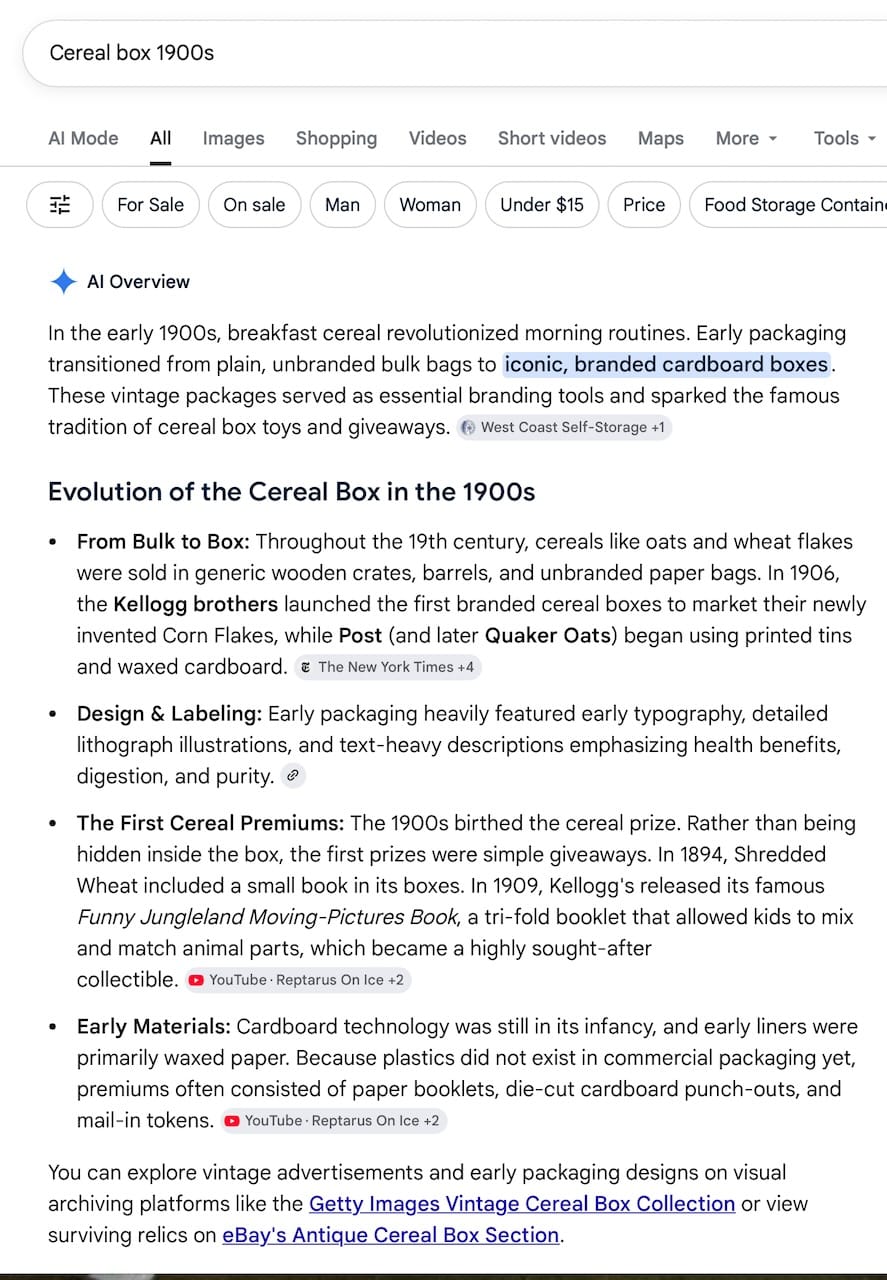
- Were cereal boxes readily available in 1912?
- What did they look like?
- Had aluminum foil been invented?
- Did people use thumbtacks yet?
- Was there tape then?
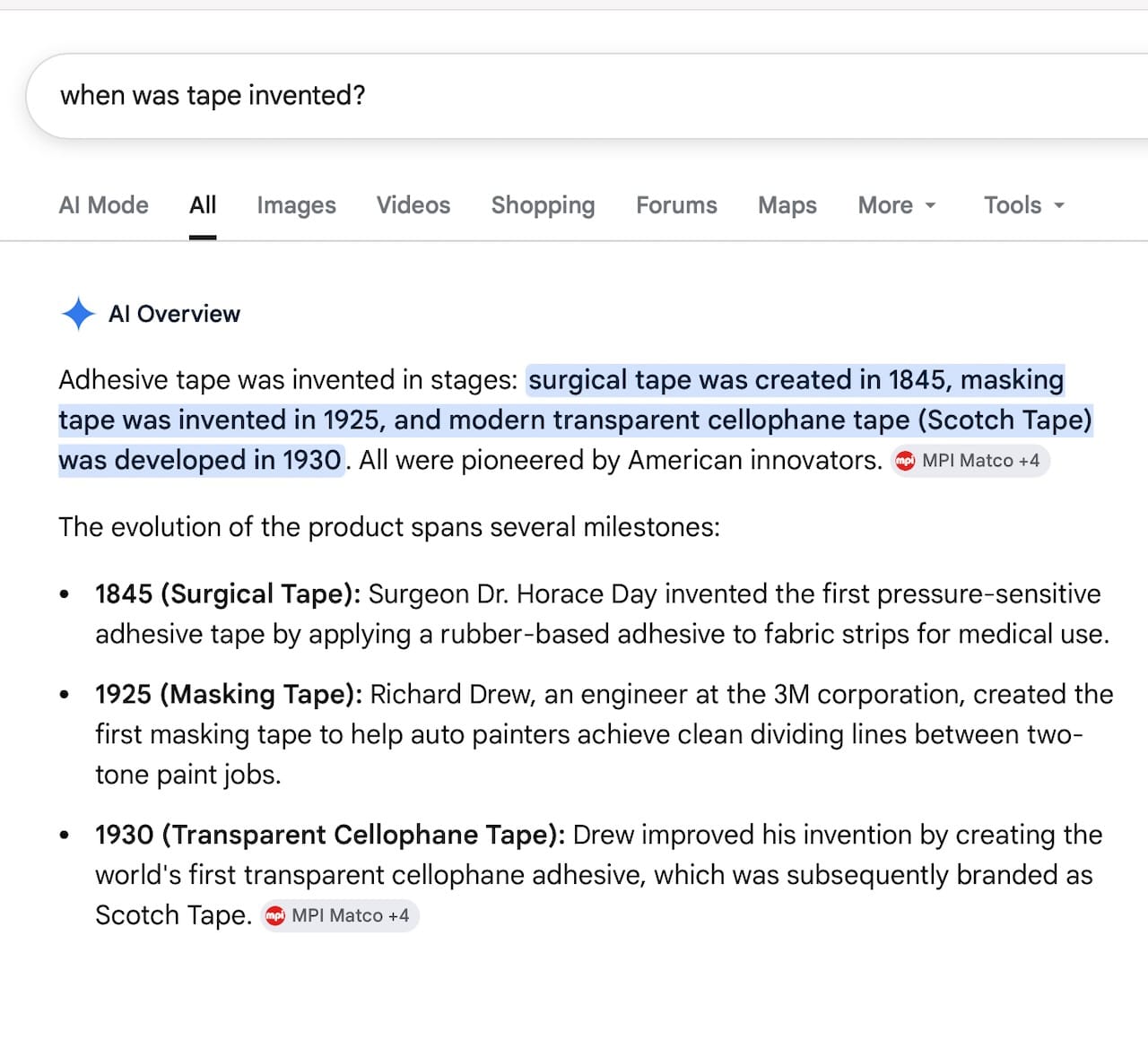
How much is too much?
Some projects require almost no research. A children's story based on your pets may require little more than observations and memories. Other stories may require extensive research – especially biographies and other non-fiction works. So how do you know when enough is enough? For me, it depends on where I am in the process.
In the beginning, when I'm still figuring out my story and characters, I try to stick to information that directly affects the story. I needed to know the dates, times, and types of eclipses in 1912 to determine my timeline. But I didn't need to know the weather those days yet. Or what day of the week they landed on. I needed just enough information to pick a date and move on to the next story point.
It's okay to over-research in the beginning. You may end up using some of that information later. BUT, using those notes later can become as overwhelming as trying to find something in a hoarder's house. I try to focus on story first because it's the spine on which I build everything else. I used to start with character, but have found that knowing my story first helps determine the traits, experiences, and objects my characters will need to strive for their goals.
At the end of my writing process, much of my research is about fact-checking and filling in details. I find it fairly easy to stay focused while researching that last phase.
It's the middle of the process where things can get unfocused. I start out wanting to know about the Egyptian god, Khnum, and it somehow turns into:
- Ovis platyra aegyptiaca (corkscrew-horned sheep)
- Barbary sheep
- Ovis sheep Egypt Sudan
- What are rams best known for?
- Ram archetype meaning
- Sheep matriarchy
- "Nice Guys Come First If Female Sheep Get To Choose" IFLScience
By the time my studies of an Egyptian god have brought me to an article on matriarchal sheep mating preferences, I am officially down the rabbit hole.
The rabbit hole
I find all sorts of things interesting. I could start out looking for the perfect character name and end up learning about everything from etymology to astronomy. If I don't set up guard rails for myself, I could spend 3 days just picking a name. In fact – I have. I'm embarrassed to admit that it doesn't even have to be a main character to kick off a 3-day roadtrip through the internet.
I spent 2 hours last night learning the traditional sequence of poses for the Five Stance Fist in Kung Fu.
I have one question I've been trying to answer for a few years! Imagine how many hours I've burned searching for how ancient Egyptians lit their interiors without producing soot? (Still searching...)
Here are some of the guard rails I use:
- How important is it that I have the right facts?
- How prominent is this information in the story?
- How much time have I already spent on this?
- How much time am I willing to spend on this?
- Am I just having fun learning?
In the case of Egyptian lighting, I'd really love to have the correct information, but it's doesn't make much of a difference to the story.
It's prominence in my story? Almost none. Maybe a sentence. Certainly 3 or less sentences.
I've already spent dozens of hours over the past 20 years trying to find the answer.
But the truth is I find it fascinating so I'm willing to keep looking.
At this point, I'd have to say I'm mostly just having fun learning about everything from bioluminescence to Tesla's vision of free wireless energy.
Decision: I can research Egyptian lighting as much as I want when I'm not working on The Source. It's basically a hobby now.
Maybe the things you're learning wouldn't even be helpful in a trivia gameshow, but if it keeps you engaged in working on your project – that's treasure in and of itself. If online digging serves as an excuse to research INSTEAD of working on your project – save yourself.
Virtually there
Since COVID, even my interviews and "travels" tend to be online. I live in New Orleans so I could use observation for plenty of my research while writing my 5-book mystery series set here, but much of The Source takes place in locations I've yet to visit – China, Ethiopia, Sudan, Egypt, the Hopi Reservation in Arizona, Harvard Divinity School in Cambridge, and more.
With videos, I can observe customs, take in people's clothing choices, movements, and speech patterns. I can't taste the food, but I can see its consistency, ingredients, and serving methods. A VR headset allows me to visit places in 360°. I can't feel the air on my skin or smell whatever it wafts my way, but I can see and hear many things in great detail.
It's a treasure hunt
They say you can't tell the difference between the search history of a writer and that of a serial killer. We do tend to get obsessed with ideas and information. The good news is that one of the keys to being interesting is to be interested.
Even if I slip down a 4-hour bioluminescence rabbit hole that leads to learning how to make my own glow sticks, I try to see it as time spent on my interests, not time wasted while writing.
Ask me!
I invite you to send me your questions. I’ll be selecting some of these questions for future newsletter topics.
Thanks for reading! I hope this inspired you to dare to live your calling.
Please consider becoming a paid subscriber. I love writing for you, and your support ensures I can keep sharing my time and information.
Comments ()