Is self-taping a waste of time?
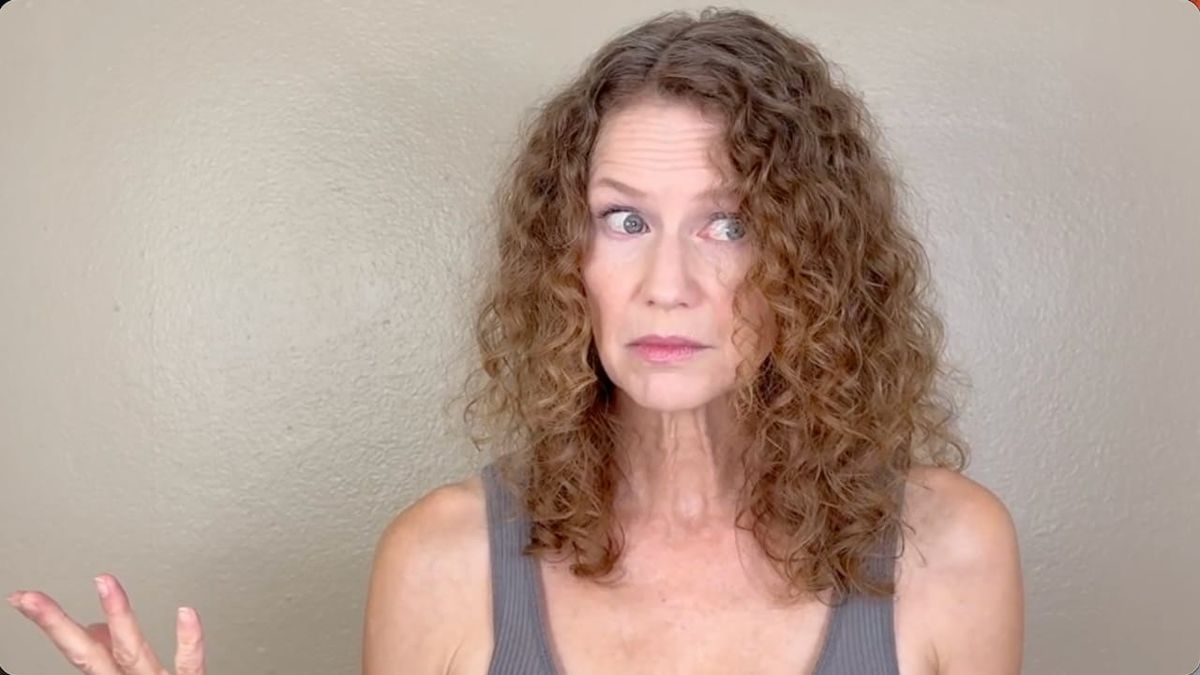
I've been auditioning for paid acting gigs since the late 80's – starting with commercials. By 2010, I'd done over 60 national spots. It sounds like a lot because it is! But you know what's an even bigger number? The 100+ auditions I did to get that first big commercial – a multi-regional for a fast food place – that NEVER AIRED! It was a bummer, but I persevered. In order to get those 60+ commercials, I did literally hundreds and hundreds of auditions.

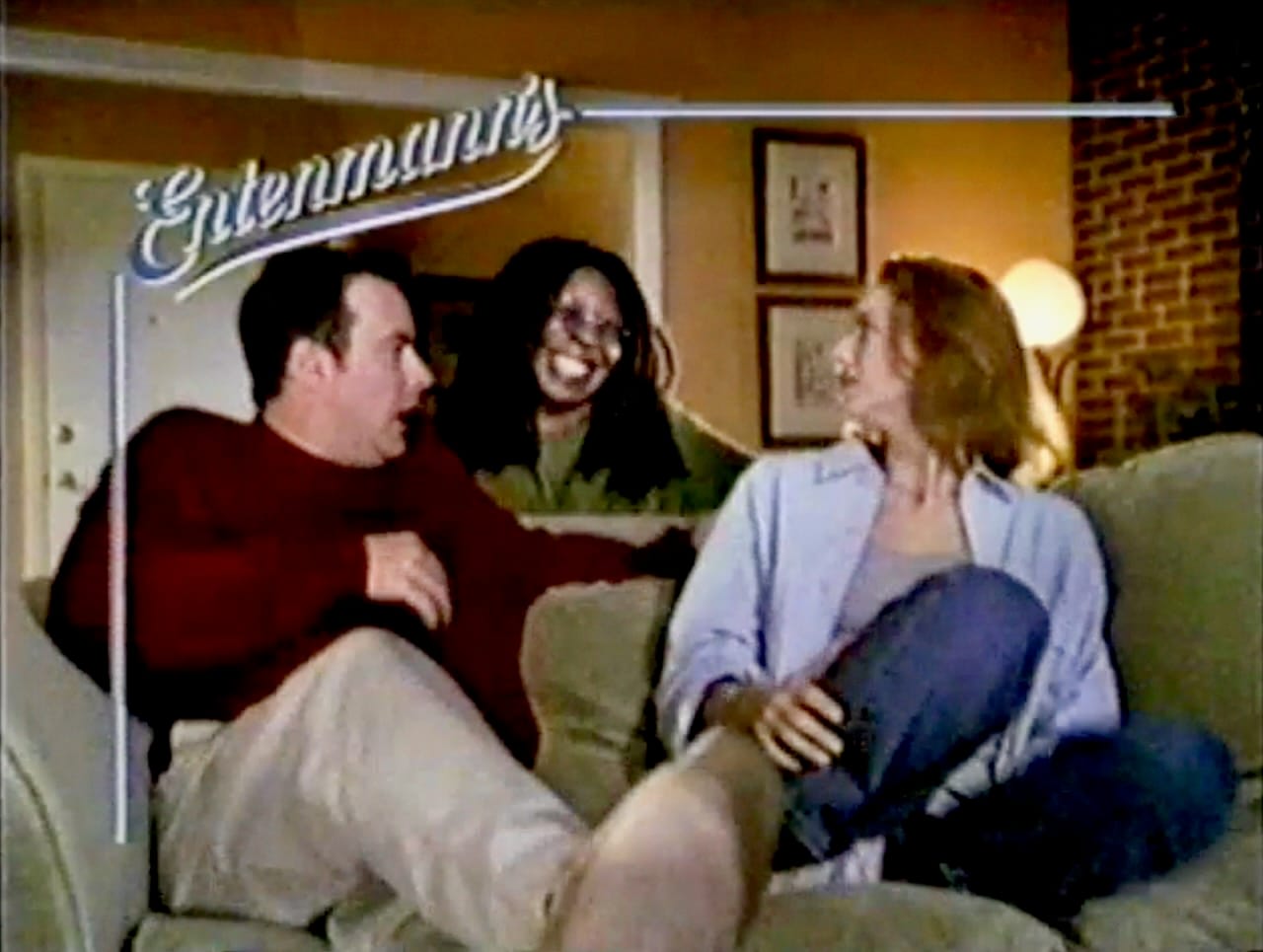
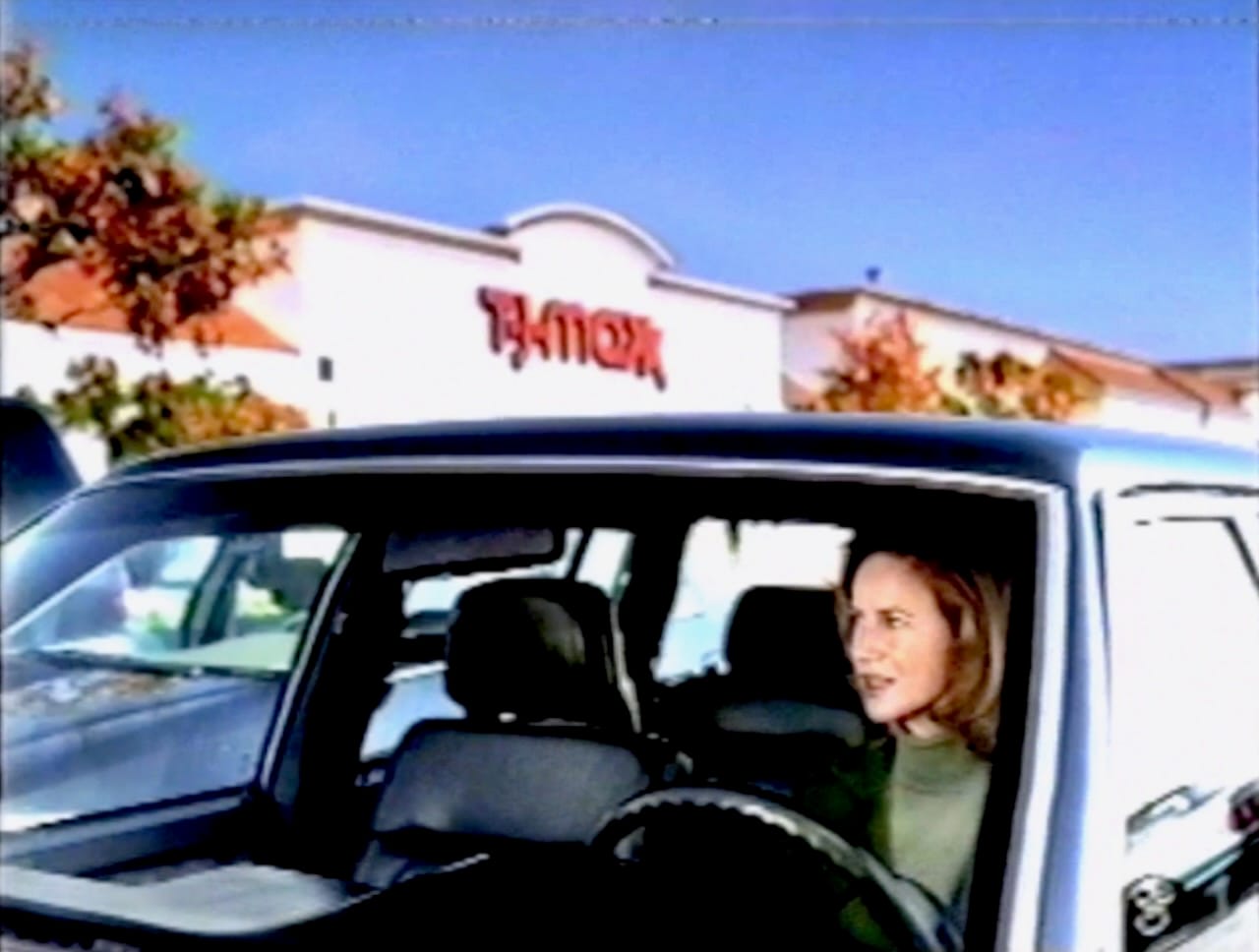

Each audition required getting dressed and made-up, driving in L.A. traffic, finding and paying for parking, and waiting times of up to an hour. Sometimes it was a bummer to keep suiting up and showing up without getting the job, but it never felt like a waste of time to me.
During the pandemic, the industry switched to self-taping. No more driving! No more parking nightmares. No more waiting your turn while listening to your competition laughing with the casting director like old friends. And for many of us – we're getting more opportunities than ever from all over the country. So why didn't anyone ever ask me if auditioning was a waste of time until after self-taping came along?
It's not just you
Before self-taping, I never got that question once. Since the pandemic sent us all to taping in our kitchens/bedrooms/etc., over half of my clients have asked if self-tape auditions are a waste of time.
Subscribe to the Know Small Parts Newsletter and get Chapter 2 – Breaking Down the Scene of my book as my gift to you!
You're not crazy to feel differently about auditioning than we did when we were "in the room." It's not just the location that's changed, it's the entire culture of auditioning.
What's different?
We can agree that it's nice to avoid traffic and parking. And it's nice to audition for a project outside of your area without having to travel. But the first thing we miss is the waiting room. Sure, it could be intimidating to see your competition – but I have lifelong friendships that were made in those rooms. The people who gather for an audition have more than a profession and a "type" that brings them together. In addition to being actors, many of us have similar interests, experiences, skills, and needs.
My first Los Angeles roommate and I decided to live together in a waiting room when I mentioned needing a place and he shared he needed a new roomie. We've consider each other family since.
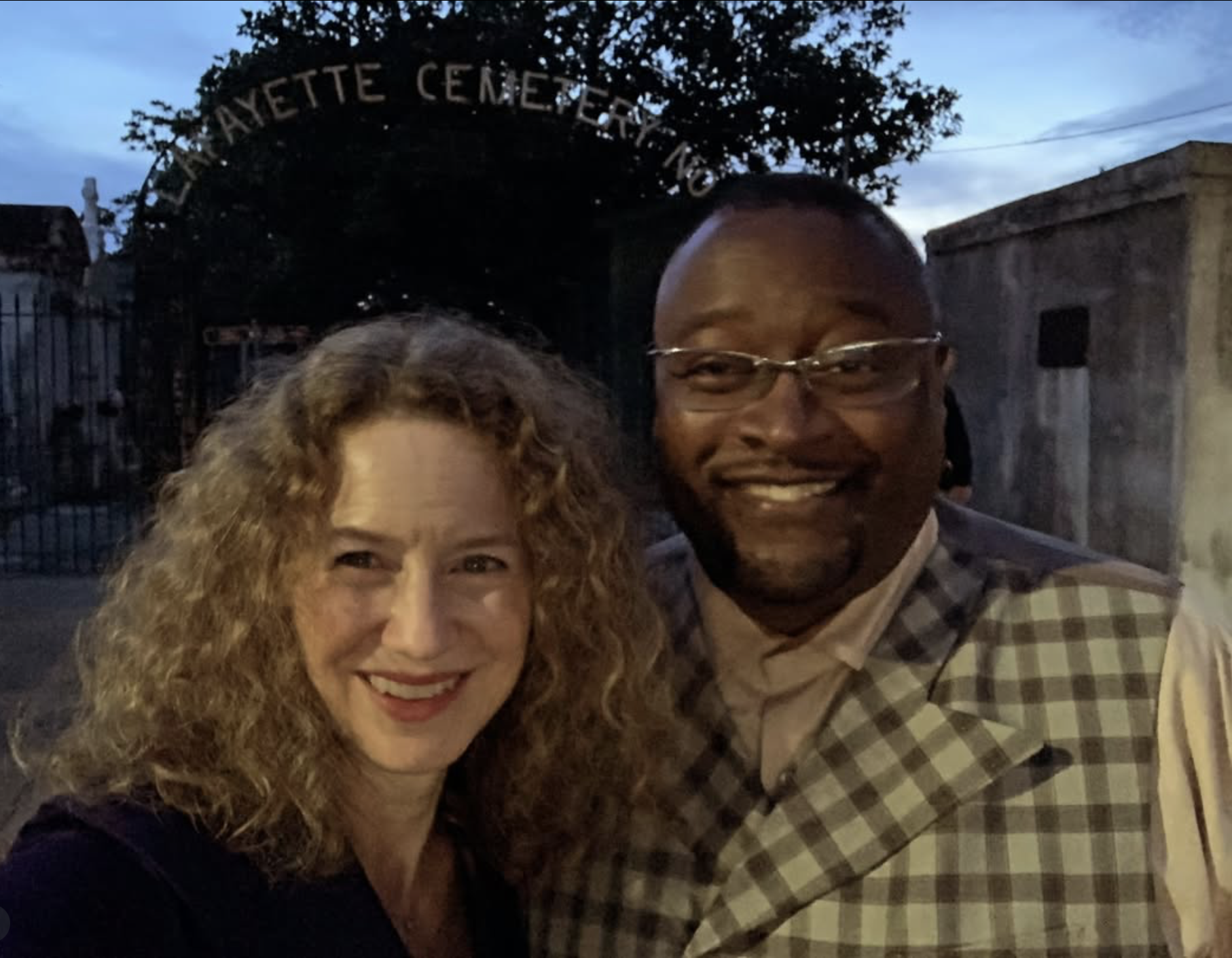
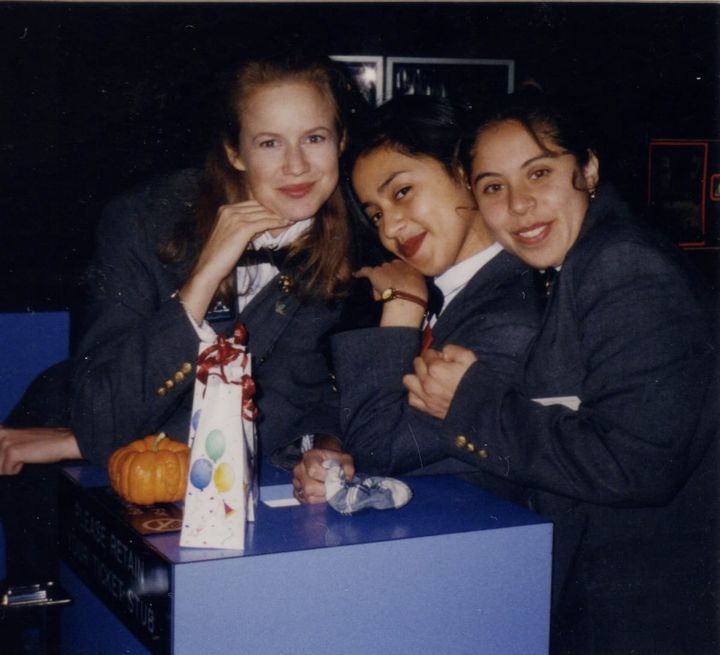
The waiting rooms offered a place to share issues and questions unique to our industry. We could share information, compare notes, and offer each other solutions. Now we try to find each other online, but the rooms that gathered us in our shared goals are mostly gone now – especially for secondary markets.
No Feedback
It's hard to measure the greatest loss from moving to self-taping, but the one that hurts the most for a majority of us is getting no feedback. Actors are generally strong people. We dare to fail. We put ourselves out there to be rejected – and are grateful for the opportunity. But our work is meant for an audience.
Theatre actors get the immediate feedback of a live audience. The crowd may have been a lot smaller, but the casting office provided a live audience. Maybe there's only one person, or maybe there's additional people running camera and/or reading with the actors. A callback can fill a room with onlookers. When I tested for an NBC pilot, there were at least 30 people in the room.
Now, it's me and my husband – who has nothing to do with this industry.

Get a subscription to the Writing Unblocked Newsletter and get the Writing Unblocked ebook as my gift to you!
Since the invention of the phone, there have been actors waiting for it to ring with news of their big break. We've gotten used to the idea that you could learn an accent and how to sword fight for an audition – then never hear from them. Your agent could call if you wanted to hear the standard "We went another way" line, but mostly – we're used to not hearing anything after an audition. That's one reason we treasure the feedback we get from casting directors in the room.
But the harder hit for many of us is not receiving direction.
No direction
They're called casting directors for a reason. Sometimes actors would hear a little about what production was looking for before we even got started. Every session always starts with, "Do you have any questions?" And we often do! How is this name pronounced? Do you want me to use an accent? Is this line supposed to be a joke? Is this a typo? Etc...
We do a take and then get immediate feedback based on what the casting director knows about the production. They've usually read the entire script (which we often don't receive) and have had discussions with production about the tone of the piece and the kinds of performances they'd like to see.
Casting directors use that information to guide our choices. They give us redirection – adjustments – and let us try again. They are the first directors we work with on any part. But not with self-taping. Now my husband is my director. His only qualification is that he watches TV and movies.
No sense of your career moving forward
It used to be that the audition itself was packed with value and opportunity. You could be wrong for the part but meet new people in your industry. Since only one person is cast in each role, almost everyone doesn't get "the part." But I used to leave auditions dizzy with excitement. I could leave with a feeling I'd done a good job and impressed casting so that even if I didn't get the part, I felt I'd accomplished something real.
Without feedback and networking, there's no sense of an audition moving you closer to your career goals. Sending a tape online doesn't feel like it's furthering the relationship with casting.
Why do it?
If it feels like throwing stones into the void and doesn't help our networking, why bother setting up a camera and lighting? Why bother working on the part, finding a reader, getting dressed, and doing multiple takes in your hallway?
First – self-taping is how most casting is handled now. If you want to be seen for a role, this is the method most used.
Also – feelings are not facts. Just because it feels like the tapes go into a black hole, doesn't mean that's what's happening.
The analog version of this moment used to be, "We'll keep you on file." When I was starting out, we'd send headshots to casting people, directors, producers, etc. hoping to stand out in the mountain of mail they'd receive. It wasn't cheap and results were iffy at best – like throwing a self-tape into a void. But when I was requested for an audition for Friends, I asked how they'd heard about me and they said, "We had you in our files."

I'd always thought "We'll keep you on file" was a polite way of saying, "We threw it in the trash." When I walked into the casting office, there were literally stacks of headshots lining the walls from knee-high to my height. How in the world did I end up being the needle in that haystack? Apparently, my submission was enough to keep me on their radar.
Auditioning is training
Like martial arts, ballet and other specialized skills, acting is something you learn for a lifetime. Whether it's on the job training, attending classes, or working with a coach (like me!), acting requires "staying in shape."
They say, "Luck is what happens when preparation meets opportunity." Every audition is an opportunity to:
- hone your skills
- try new ideas
- be seen in a new way
- possibly get an acting job
Only one person will book the job, but everyone auditioning has a chance to make an impression – and EVERYONE is getting a workout.
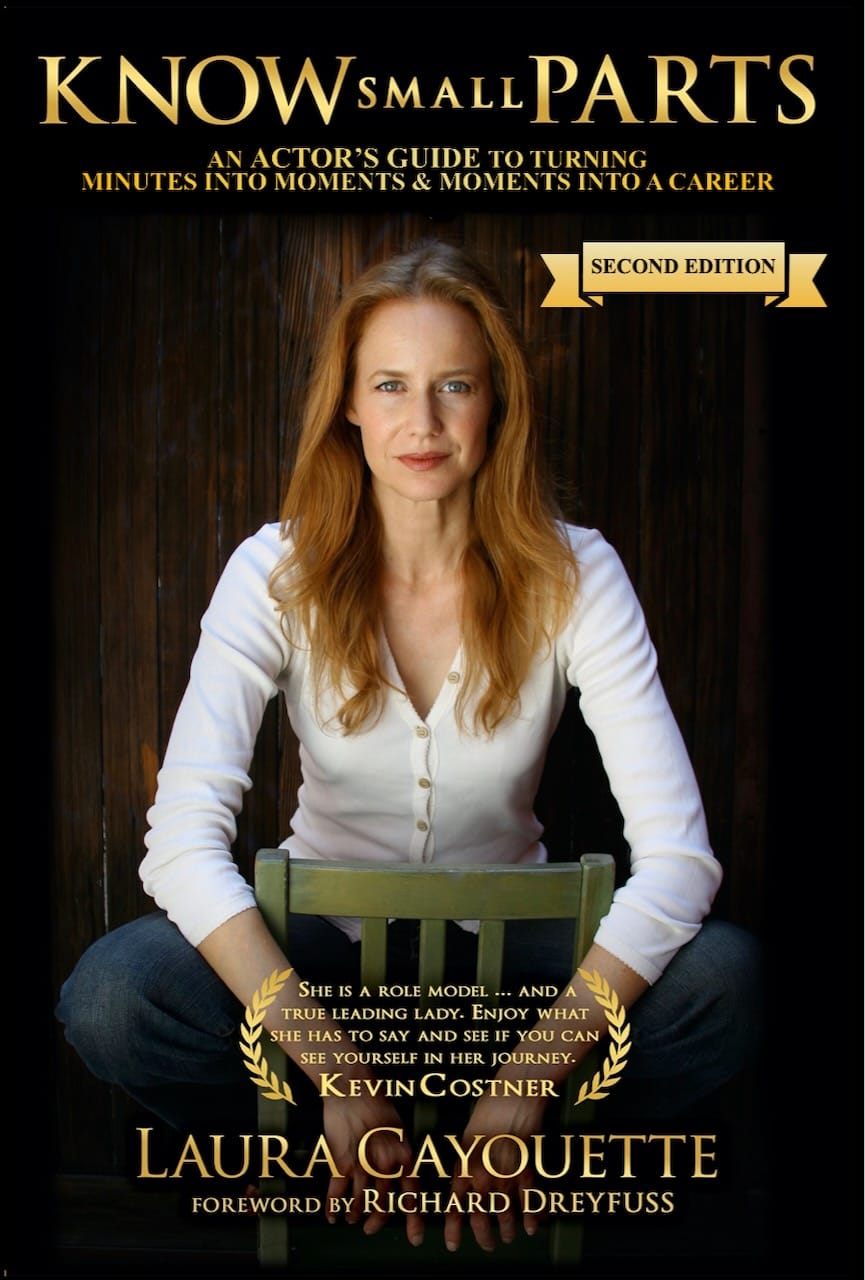
In my book, Know Small Parts: An Actor’s Guide to Turning Minutes into Moments and Moments ints a Career, I talk about playing volleyball and learning to keep our knees bent so we would always be ready to move in any direction. If you get the job, you'll need to be ready to try out your ideas, take direction, and adjust to the realities of your set, wardrobe, costars, etc.
Subscribe to the Know Small Parts Newsletter and get Chapter 2 – Breaking Down the Scene of my book as my gift to you!
Whether you book the gig or not, auditioning is a chance to go through your routine – break down your scenes, work on specifics and details, prep a moment before and after, find the physical details of movement, appearance, voice, accent, etc.
It's what's happening
We've lost a huge chunk of our networking access. We may never meet casting people – even if we get the job. We're no longer socializing with our peers and competition in waiting rooms. We're losing our sense of community. Self-taping may be a "waste of time" from that perspective. But it's also the way we get work now. If you want to be working, you want to be auditioning.
Oscar winner Richard Dreyfuss told me that he used to practice in the mirror when he was a kid. You could make the argument that he was "wasting time" since it was never going to get him a job. But you'd be wrong. It was a training tool for him. Self-taping can be a tool for you as well.

Do it for fun!!!
If you're mostly not going to get the job, and self-taping feels like a waste of time – then have more fun with it! Don't audition for them. Don't do it for the job. Do it for you! Try stuff. Dare to fail. Use your imagination. You already don't have the job, so you have nothing to lose.
I had a client last week with 3 auditions and a monologue – with no promise of ever hearing anything. But she got to work on comedy, drama, romance, etc. without leaving her living room. I miss the rooms so much, but I'm grateful for the opportunity to stay sharp and work on my skills.
Ask me!
I invite you to send me your questions. I’ll be selecting some of these questions for future newsletter topics.
Thanks for reading! I hope this inspired you to dare to live your calling.
Please consider becoming a paid subscriber. I love writing for you, and your support ensures I can keep sharing my time and information.
Comments ()