Is your character a liar?

When actors first get a script (or sides), there's a tendency to take everything at face value. We trust the character descriptions and dive into the circumstances. But it's worth asking – is my character a liar? Do they mean the words they say? Are they living a lie? Do they even know?
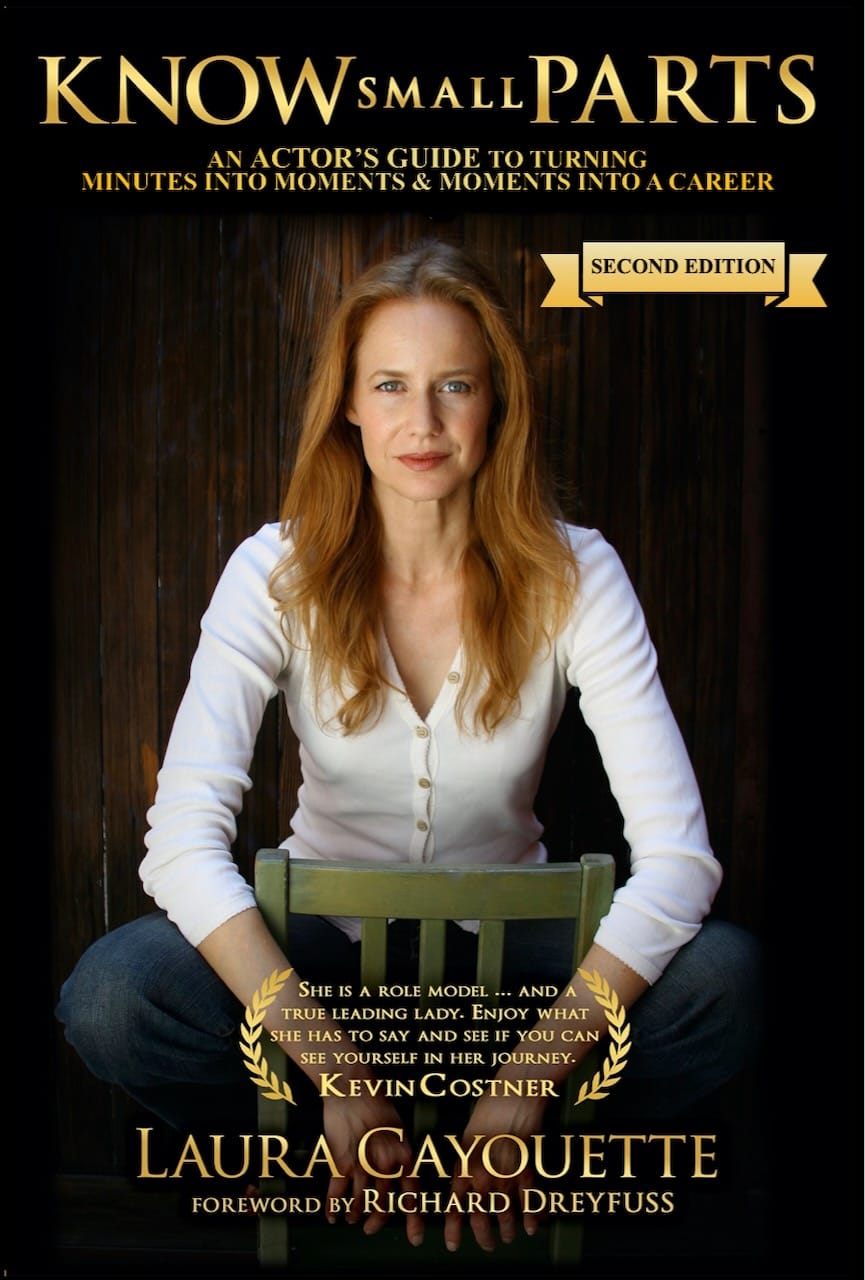
Subscribe to the Know Small Parts Newsletter and get Chapter 2 – Breaking Down the Scene of my book as my gift to you!
Even if your character's line is, "I'm fine," ask yourself if that's a lie. It turns out that most people lie – and the most common lie they tell is – "I'm fine." I live in New Orleans, so if the person ringing up my groceries asks how I'm doing, I'm going to tell them what's really going on with me in as lighthearted a manner as possible. But most people don't tell their business to strangers. They lie. "I'm fine."
So what?
As an actor, your job is to understand your character and build a detailed, compelling version of that person. No matter who you're playing, there are some details that are just plain human. According to recent surveys, 92% of teenagers lie to their parents on a regular basis. I find that number easy to believe. Despite being a great student and a "good kid," I can recall lying a couple times about what I had been doing when I was a teen. My reasoning was along the lines of, "Everything's fine so what's the point of worrying anybody?" So if I'm playing a teenager in a scene with a parent, there's a very good chance I'm lying about something.
Turns out it's also common for women to lie to avoid upsetting people or hurting their feelings – just like I did as a teen (and occasionally still do). Likewise, studies show that men lie about twice as often as women (though lies about infidelity are about the same for both genders). Adults tend to lie to avoid blame or somehow make themselves look/seem better to others. So if I'm playing a character at an office, that puts us in a target-rich environment for lies.
People lie to:
- Avoid upsetting people/hurting their feelings (to be "nice")
- Avoid and/or shift blame
- Avoid confrontation
- Get their way
- Make themselves look better
- Make themselves feel better
Almost all of the lies people tell are little ones. Nearly 90% of lies are what most of us would agree are harmless – “little white lies.” The father "loving" the new tie he got for his birthday. The roommate saying she had a "great time" on the date you set up with your cousin.
The people who do tell big lies tend to lie more often. So if the scene includes knowingly telling a big lie, your character might be a frequent liar – even lying just for the thrill of it.
What if that's not what the writer intended?
The actor's work creating a character begins where the writer's work ends. I've had several writers (mostly writer/directors) tell me that I found things in the script they didn't know were there. Notice they didn't say I invented things that weren't there – they said I found things. Remember:

Our job is to try things – to find what works best. Sometimes our ideas bring a fresh perspective to a script everyone thought they knew. Sometimes our ideas are dismissed. But like so many things in life – it's better to have ideas and not need them, than to need them and not have them.
Are all characters liars?
If you're talking about white lies – going along to get along – then mostly yes. According to recent studies, adults will lie at least once in any 10-minute conversation. But that doesn't mean those moments are contained in the script. All people use the bathroom several times a day, but we rarely see those moments in scripts.

Get a subscription to the Writing Unblocked Newsletter and get the Writing Unblocked ebook as my gift to you!
The point is not that most people lie. The point is most actors assume their character is being truthful without considering the possibility that something else could be happening.
How do you tell?
A big clue is if there's a reason for your character to lie.
- Are they in a hurry?
- Is there something/someone they're avoiding?
- Are they in a mystery story?
- Have they lost or broken something?
- Are they protecting something/someone? A secret?
- Did they witness something?
- Did they do something they regret?
- Did they do something illegal/immoral?
The point of asking
The point of asking whether your character is a liar isn't just that there's a statistical probability that people lie, it's to look under the hood of characters.
Our job is to come up with ideas. To try things. Most of us don't like it when people make assumptions about us based on just our looks, or our job, or our age, or whatever. Treat your characters with at least as much respect as you'd like people to show you. Get to know them. Ask questions. Wonder. Be open and playful. Try stuff. Dare to fail.
Ask me!
I invite you to send me your questions. I’ll be selecting some of these questions for future newsletter topics.
Thanks for reading! I hope this inspired you to dare to live your calling.
Please consider becoming a paid subscriber. I love writing for you, and your support ensures I can keep sharing my time and information.
reference: https://www.uwlax.edu/currents/how-often-do-people-lie/


Comments ()