Creating detailed characters
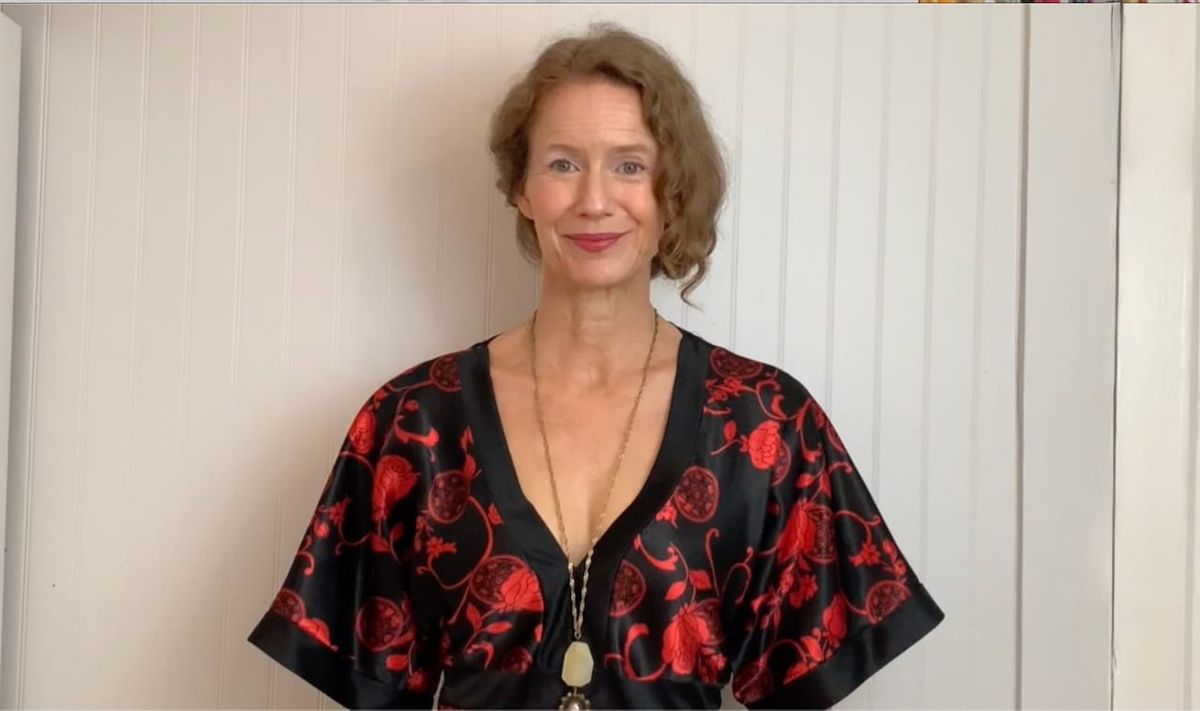
I've talked about detailed acting before, but details really are the key to creating unforgettable and authentic characters.
The truest way to create a character is to walk a mile in their shoes. I consider this part of our job as actors to be the most valuable – the opportunity to experience life through someone else’s eyes.
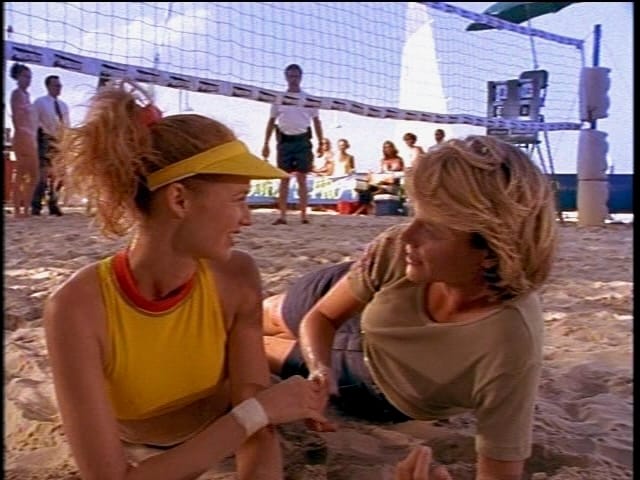
Often, as actors, we are playing different versions of ourselves in different circumstances. In my 30+ years in this profession, I’ve played mothers, strippers, a scientist, a professional volleyball player, a plantation owner’s sister (twice), three different hitmen, a prison guard, and much more. Some of these characters are people it’s easy for me to relate to in some way. Though it was never my profession, I did play volleyball in high school and could imagine what it might take to achieve the kind of excellence, dedication, and competitive spirit needed to make that sport a career. Other characters require more research.
Period pieces
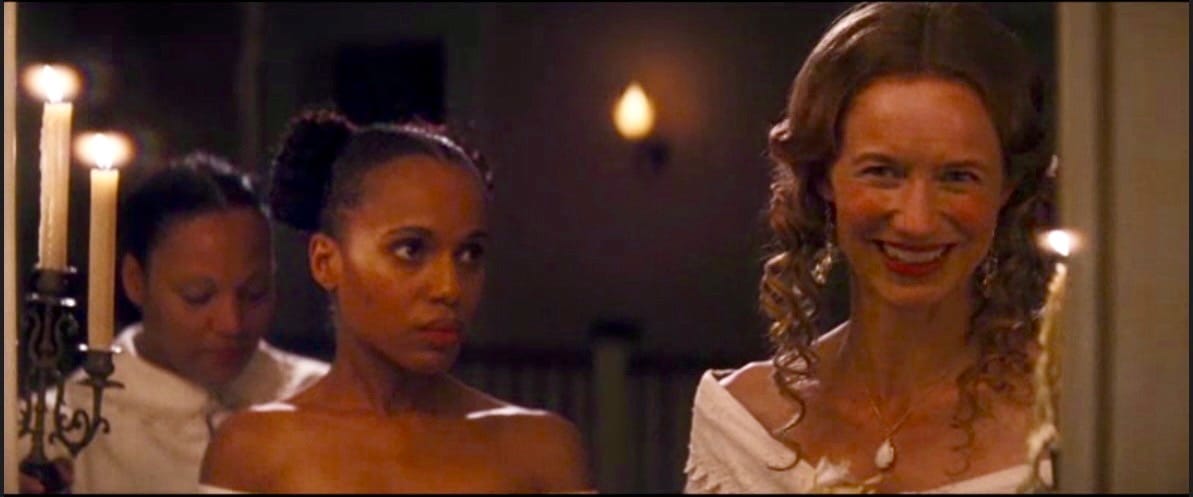
Any story set in another era asks the actor to not only relate to the character, but to the time and place of their circumstances. For my role in Django Unchained, I studied everything from the manners and expectations of the mid-1800’s, to the favorite songs Miss Lara might have had then. I read books on the customs of the time and region. I created a journal of Lara’s daily life, as well as her hopes and aspirations. I asked wardrobe for a hoop skirt and practiced climbing steps, sitting, and walking beside “Cora” in her petticoats. That last one was quite the spectacle for the passing tour busses in New Orleans – Dana Gourrier in layers of ruffles holding a parasol over me in my nylon hoop skirt tied over a Saints t-shirt and jeans.
When I found that my first day of shooting would include ascending a giant staircase with “Cora” (Dana) while we both carried flaming (heavy) candelabras, I was grateful for all the prep.
Jumping to conclusions
There can be a temptation to use someone else’s character research for your work. I’ve known actors to use movies and TV shows to fill in their questions about everything from specific professions (doctors, detectives, etc.) to the daily life of people in the 1800’s, and more. I would caution you against this practice for a variety of reasons.
Though documentaries could prove helpful, relying on Daniel Day Lewis or Christopher Nolan to fill in the blanks of what it’s like to be a 1920’s farmer in Australia is a bad bet. Avoid relying on someone else’s research. For all you know – they made their choices based on someone else’s performance (or guessing) – not on research.
A Xerox of a Xerox
Imagine if someone were playing you doing your job as a bartender. Now imagine they got all of their research information from the Tom Cruise movie and “flair” fest, Cocktail.
Even if they watched every movie and TV show about bartending, they would only be watching other actors’ choices – filtered through editors, directors, producers, and studios – all of whom might be more interested in attracting an audience than portraying heartfelt characters living genuine circumstances.
We can’t control what filmmakers do with our work once it’s “in the can,” but we can fill our characters with humanity based on lived experience.
Experience is key
Whenever possible, try to learn the skills needed for your character’s profession and/or daily life. Even something as small as doing a load of wash by hand or cooking a meal truly from scratch might change your idea of the demands of someone’s daily rituals. My recent (dream come true) trip to Egypt afforded me insights into everything from laundry and transportation to farming and faith. Seeing a video of a helmet-free man riding a motorcycle with a toddler in front of him and two or three small children stacked behind can be shocking, but seeing it all day gives you an opportunity to notice other details – like the many ways Egyptian men are involved in childcare. Or the hyperawareness Egyptian drivers have of how much space they take and how to share it with each other.

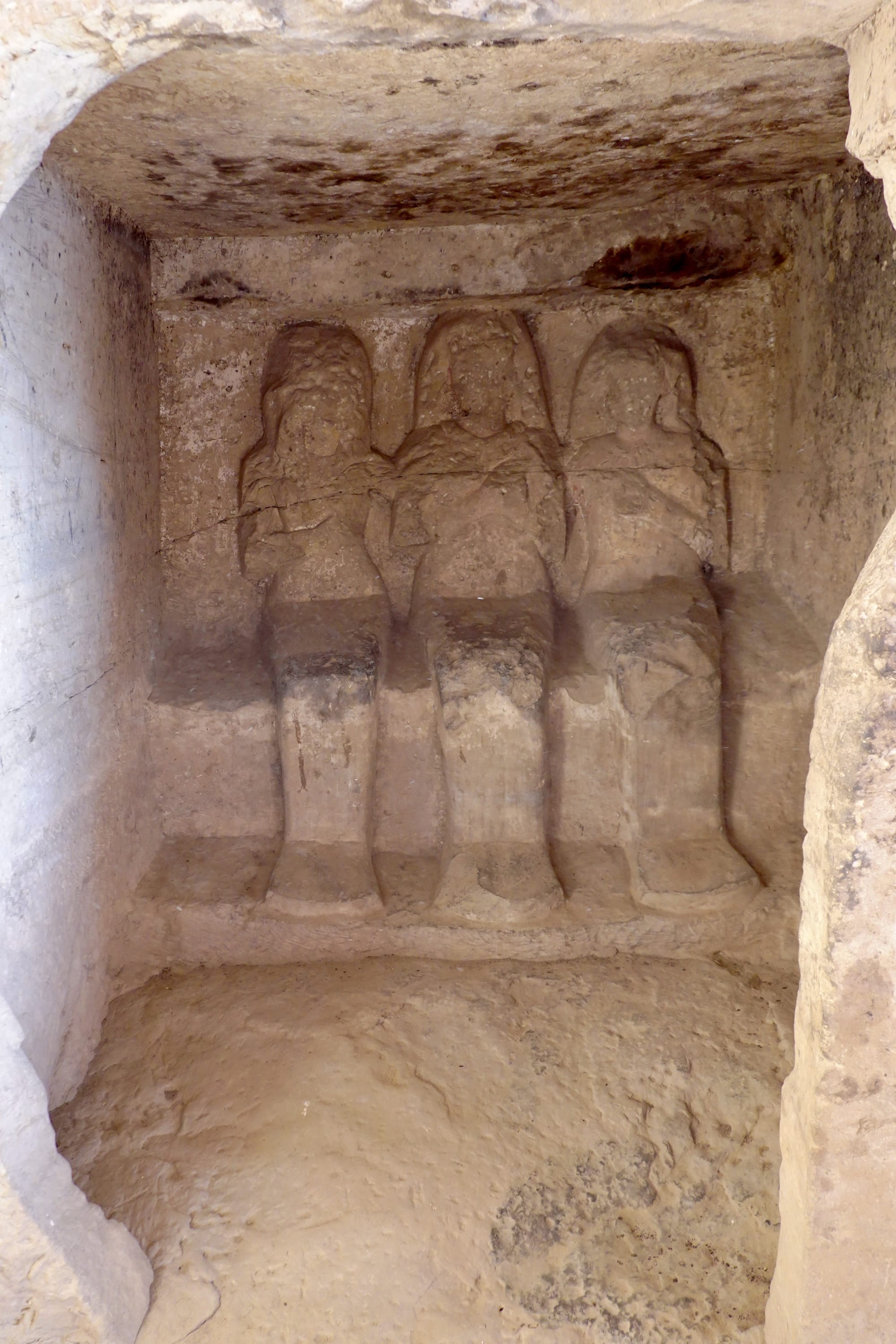
Egypt is famous for making a stone-carved record of their gods and royals. What’s marvelous is that the same people who carved those images made records of their own families and rituals. For the most part, film and TV shows seek to do the same. Whether I’m playing a mother who’s lost her child or a congressional aide embroiled in potential scandal, I try to bring dignity to each character.
The “Golden Rule”
Treat others as you would have them treat you. When I’m researching a character, breaking down their scenes, and making bold choices, I find it helpful to remember they could all be me. That’s probably part of why I was cast in the first place, or even selected to audition. If someone were playing some part of my story, I would want them to take the time to at least try to understand my world – my influences and surroundings. It might not result in a version of me that I recognize, but even the attempt would fill the role with some version of a truth. Something human. Something others can connect with.
Ask!
It may be difficult to get access to a ride along if you’re playing a beat cop, but almost anyone would be happy to share something with you about their job and/or life routines. Call people, email, reach out on social media. Many people enjoy the idea that they helped you find your way into your character and contributed somehow to making a movie or TV show.
The questions you might want to ask someone about their life/profession vary based on the character and the demands of the role. You might have months to research, or hours. Whatever the circumstances, try to find someone living the life you’re portraying and ask the questions you think need answering regarding daily routines, the demands of their life/profession, any training/schooling required, and other pertinent information.
Then ask: What’s the thing you do most often or most commonly?
Armed with that answer, ask: What’s your best hack (or shortcut, or trick) for that?
Details make viewers believe the reality of our characters. If you can find a detail that rings true to the people in that field, they might even believe it’s something you do in your own life. Many massage therapists have asked if I was a trained masseuse after seeing For Love of the Game.
Before playing the role, I got a few massages. I paid attention to the details of the job, and asked questions during the sessions.
The detail that sold my performance was the way I handled the cream I was using to massage Kevin Costner’s character. Rather than returning to the jar to get more cream, I took a small scoop into my fingers and deposited it on the back of my arm. Then, as I needed more, I took it from the back of my arm rather than returning to the jar.
It’s such a small detail, but it was recognizable to massage therapists as a hack they (or colleagues) might use.
I go through the story in depth in the Detailed Acting post.
 Laura Cayouette
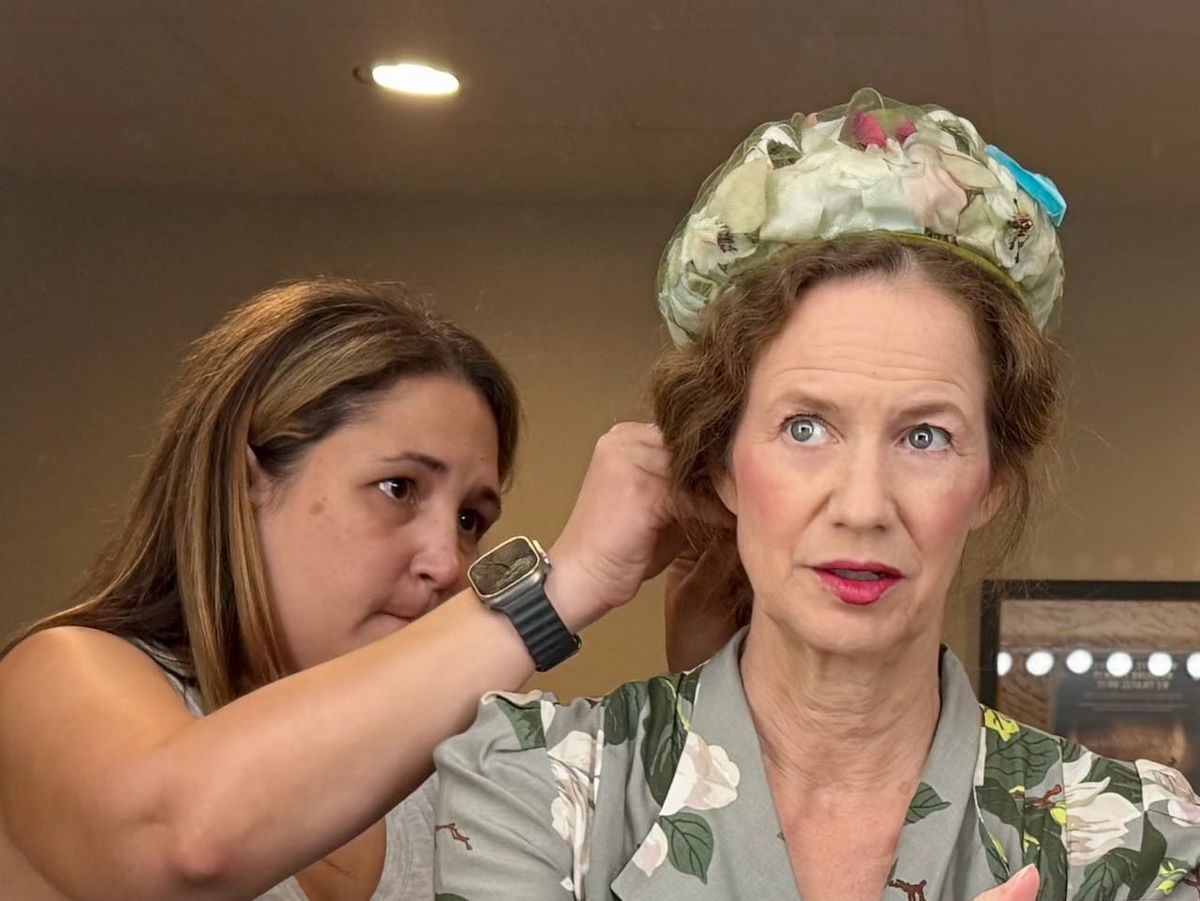
Before wielding a gun on TV, I went to a range with a military marksman and learned the proper way to hold and discharge a weapon – then asked, “What happens in real life?”
Even just one tiny detail can take a performance from pretending to genuine, from “indicating” to authentic.
Thanks for reading! I hope this inspired you to dare to live your calling.
Please consider becoming a paid subscriber. I love writing for you, and your support ensures I can keep sharing my time and information.
Comments ()